
Wisdom Tooth Chipped Off No Pain: A Simple Guide
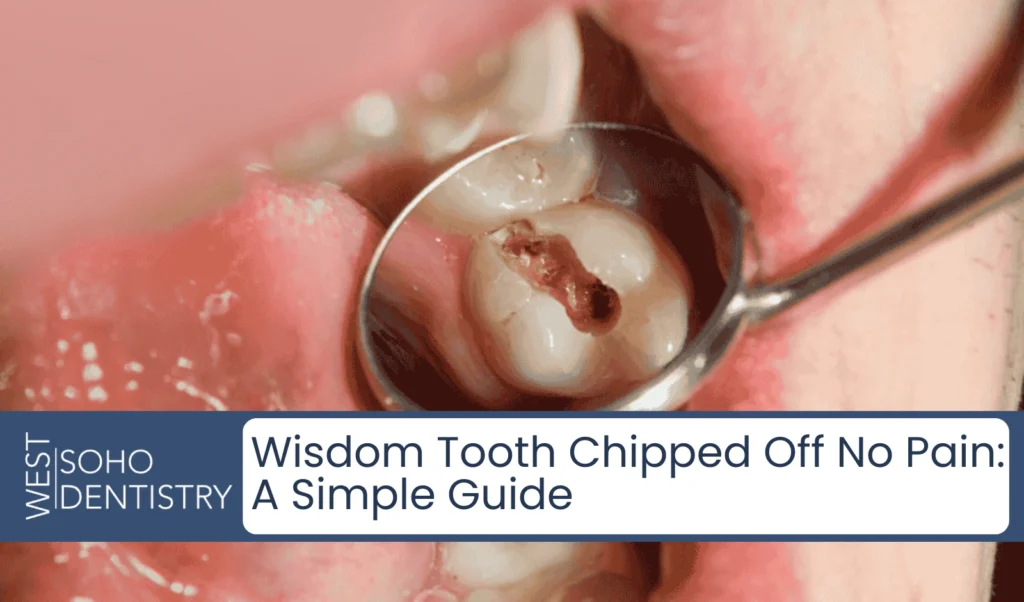
Discovering that a wisdom tooth chipped off with no pain can feel confusing. You might notice a rough edge while brushing or sense something different with your tongue, yet there is no soreness, swelling, or discomfort. Because pain is often linked to dental problems, the absence of it can make the situation seem unimportant. Still, even a chipped wisdom tooth with no pain is worth understanding.
This article explains what a chipped wisdom tooth may mean, why pain is not always present, and how to think about the situation calmly and responsibly. The goal is not to alarm you, but to help you make sense of what is happening in a clear, easy-to-read way.
Understanding Wisdom Teeth in Simple Terms
Wisdom teeth are the last set of molars that usually appear in the late teen years or early twenties. Some people never have issues with them, while others notice crowding or irritation. Because wisdom teeth sit at the very back of the mouth, they are harder to see and easier to overlook.
Their location also makes them more likely to chip. Biting down on something hard, grinding teeth at night, or gradual wear over time can cause a small piece of enamel to break away without much warning.
Why a Wisdom Tooth Can Chip Without Pain
A wisdom tooth chipped off with no pain often surprises people. Pain usually occurs when deeper layers of the tooth are affected, but a chip limited to the outer enamel may not trigger discomfort.
Enamel does not contain nerves. If the damage stays on the surface, your body may not send pain signals at all. This is why a chipped wisdom tooth no pain situation is more common than many expect.
Another factor is function. Wisdom teeth may not be heavily involved in daily chewing, so the chipped area might not experience constant pressure.

Common Situations That Lead to a Chip
A chipped wisdom tooth does not always result from a major accident. In many cases, it happens during everyday activities.
Chewing hard foods such as nuts or ice can place stress on the back teeth. Teeth grinding, especially during sleep, can slowly weaken enamel. Even an uneven bite may apply repeated pressure to one area over time.
Because of this, the chip may occur quietly, without a clear moment you can point to.
What You Might Notice Instead of Pain
Even when there is no pain, subtle changes often appear.
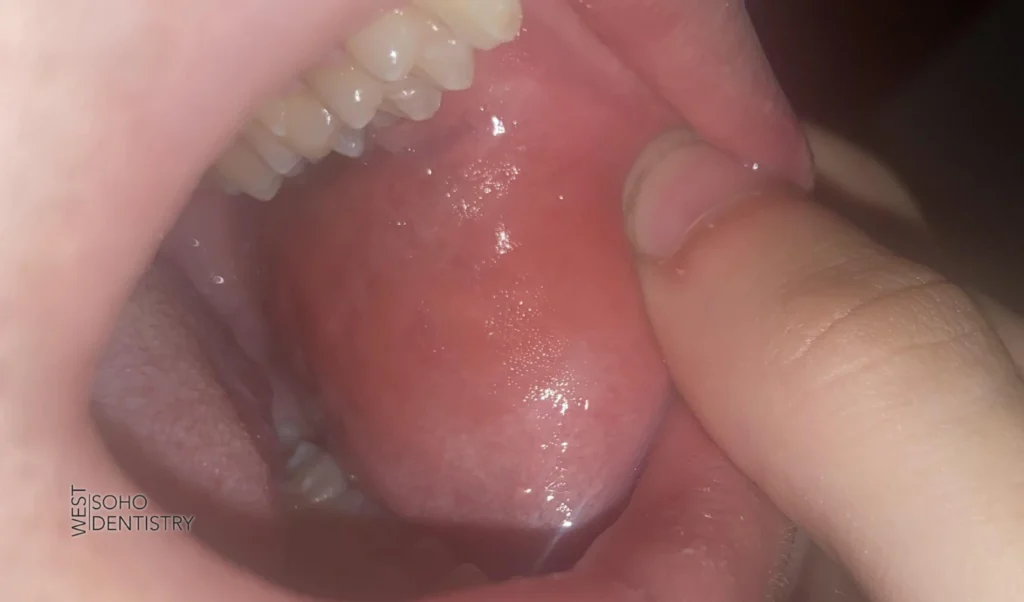
You may feel a rough or sharp edge with your tongue. Food might collect more easily in that area. If the tooth is visible, it may look slightly uneven or jagged.
These small details are often what lead people to realize they have a chipped wisdom tooth with no pain.
Why Ignoring It Completely Is Not Ideal
When there’s no pain, it’s easy to assume nothing is wrong. While a minor chip does not automatically signal a serious issue, ignoring it entirely is not ideal.
A chipped surface can trap food more easily, making that area harder to keep clean. A rough edge may also irritate the tongue or inner cheek over time, even if it is not immediately noticeable.
Awareness allows you to stay attentive to changes instead of reacting only when discomfort appears.
Emotional Reactions Are Normal
Learning that you have dental damage, even without pain, can bring mixed emotions. Some people jump to worst-case scenarios, while others dismiss it altogether.
Both reactions are common. Staying informed and balanced helps. A chipped wisdom tooth no pain situation does not automatically mean urgency, but it should not be ignored without thought.
Clear information reduces unnecessary worry and supports more confident decision-making.
How Dental Professionals Usually View These Situations
From a general standpoint, dental professionals consider factors such as size, location, and whether changes occur over time. A small surface chip is very different from a larger break that affects deeper layers.
Clinics like West Soho Dentistry often emphasize awareness rather than panic. Recognizing that something has changed allows for thoughtful choices instead of rushed decisions.
This approach centers on observation, routine care, and open communication.
Everyday Habits That Support Tooth Awareness
Without turning this into a list of treatments or instructions, awareness plays an important role. Paying attention to how your teeth feel during everyday activities helps you notice changes early.
If something feels sharper or different than before, that information matters. It does not mean something is wrong, but it provides useful context if you ever choose to discuss it with a professional.
Awareness is about noticing, not diagnosing.
Why Wisdom Teeth Are Often Overlooked
Because wisdom teeth are out of sight, they are often out of mind. Many people focus on front teeth since they are visible when smiling or speaking.
This is why a wisdom tooth chipped off with no pain can go unnoticed for weeks or even months. It is often discovered by chance rather than discomfort.
Understanding this helps explain why these situations are so common.
Keeping Perspective Moving Forward
The key takeaway is balance. A chipped wisdom tooth with no pain is not something to panic about, but it is also not something to forget entirely.
Think of it as information about your body. It signals that something has changed, even if it does not hurt. With that awareness, you can stay observant and make thoughtful choices over time.
Practices such as West Soho Dentistry often highlight this calm, informed perspective. Dental health does not always involve emergencies. Sometimes, it is simply about understanding changes and staying aware.
Final Thoughts
A wisdom tooth chipped off with no pain can feel strange, but it is not uncommon. The absence of pain often suggests that the surface enamel is involved, which helps explain why there is no immediate discomfort.
What matters most is awareness, not fear. By understanding why pain may be absent and recognizing subtle signs, the situation becomes easier to manage with confidence.
Dental health is not only about reacting to pain. It is also about noticing changes, staying informed, and keeping perspective.
Feeling Confident After a Minor Tooth Chip
Not every chipped tooth needs to feel overwhelming. When you understand what’s happening and know where to turn for questions, the situation feels far more manageable. A dental team that values clear explanations and patient comfort can make a meaningful difference.
At places like West Soho Dentistry, the focus is on helping patients feel informed rather than rushed. Open conversations allow concerns to be discussed at a comfortable pace, without pressure.
Caring for your smile after a minor chip becomes less stressful when support is easy to reach. If you ever want reassurance or personalized insight, their team is available at 212-645-2808, offering guidance to help you stay confident about your smile over time.