
Understanding Tooth Pain and Where It Comes From
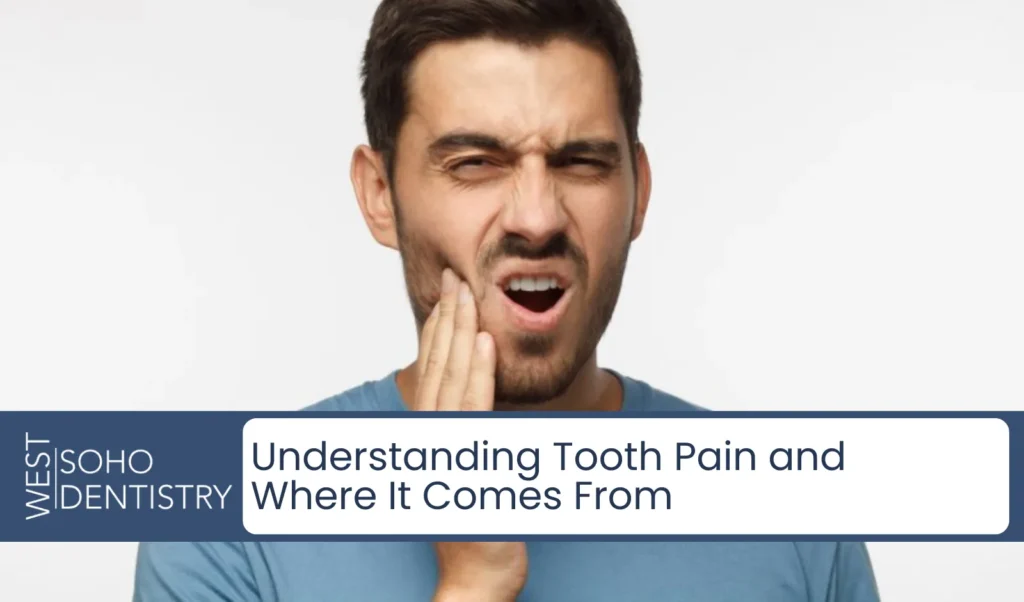
Tooth pain is more than just an inconvenience it can quietly affect how you eat, speak, and move through your day. Some discomfort feels dull and manageable, while other sensations appear suddenly as a sharp pain that’s hard to ignore. Because teeth, gum tissue, and the jaw are closely connected, pain can show up in unexpected ways.
From front tooth pain to tooth pain in jaw areas, understanding how discomfort feels and where it starts can help you stay aware of changes in your oral health without jumping to conclusions. Tooth pain doesn’t always mean the same thing for everyone, but noticing patterns can be helpful over time.
Why Tooth Pain Can Feel So Different
The mouth contains nerves, muscles, and soft tissues that work together closely. This is why dental problems don’t always stay in one spot. Something that begins as tooth sensitivity may later feel like gum pain or pressure near the jaw.
Daily habits can also influence how discomfort shows up. People who grind their teeth or experience frequent teeth grinding may notice soreness that comes and goes, especially in the morning. Others may feel discomfort only when eating hot or cold food or when biting down.
Pain can also vary depending on whether it is constant, occasional, or triggered by specific movements.

Front Tooth Pain: Visible and Often Distracting
Front tooth pain tends to get noticed quickly because these teeth are used so often. Talking, smiling, and biting into food all involve the front teeth, making discomfort hard to overlook.
Some people experience brief sensitivity, while others notice sharp pain when exposed to cold air or certain foods. Because front teeth are more exposed, changes in temperature or pressure may feel more intense in this area.
Back Tooth Pain: Easy to Miss at First
Back tooth pain often develops quietly. These teeth handle most of the chewing, so pressure-related discomfort can build slowly over time. Many people only become aware of back tooth pain once it begins to interfere with eating.
Because back teeth sit closer to the jaw and sinuses, discomfort here can sometimes feel deeper or harder to pinpoint. In some cases, pressure from a sinus infection may even make pain feel as though it is coming directly from the teeth.

Molar Tooth Pain: When Chewing Feels Different
Molar tooth pain is commonly linked to discomfort during chewing. Molars have large surfaces and play a major role in breaking down food, which means they experience constant use.
Pain in this area may feel like a deep ache or sensitivity when biting down. It can also feel uneven, causing one side of the mouth to do more work than the other.
Tooth Gum Pain: When the Gumline Feels Tender
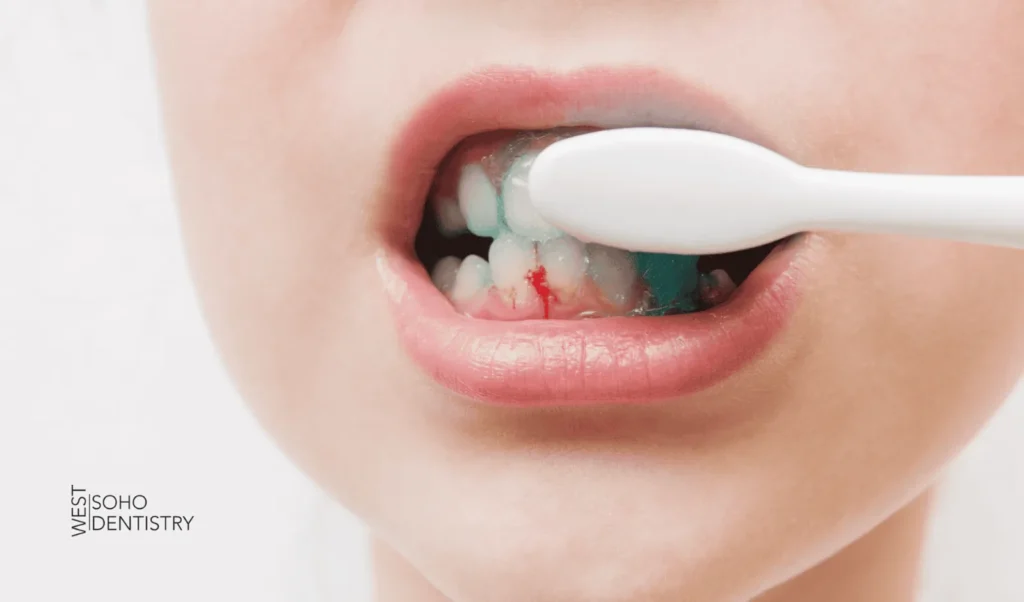
Tooth gum pain involves both the teeth and the surrounding gum tissue. This type of discomfort may include soreness near the gumline, tenderness while brushing, or sensitivity during meals.
Signs such as bleeding gums or swelling can make everyday routines uncomfortable. Because gums support the teeth, irritation in this area can influence how teeth feel overall.
Gum and Tooth Pain: Overlapping Discomfort
Gum and tooth pain often overlap, creating a sensation that feels spread out rather than focused on a single tooth. This discomfort may feel like pressure, tightness, or general soreness across part of the mouth.
When gum and tooth pain is left untreated, it can become more noticeable over time, affecting both comfort and confidence during daily activities.
Tooth Pain in Jaw: When Pain Travels
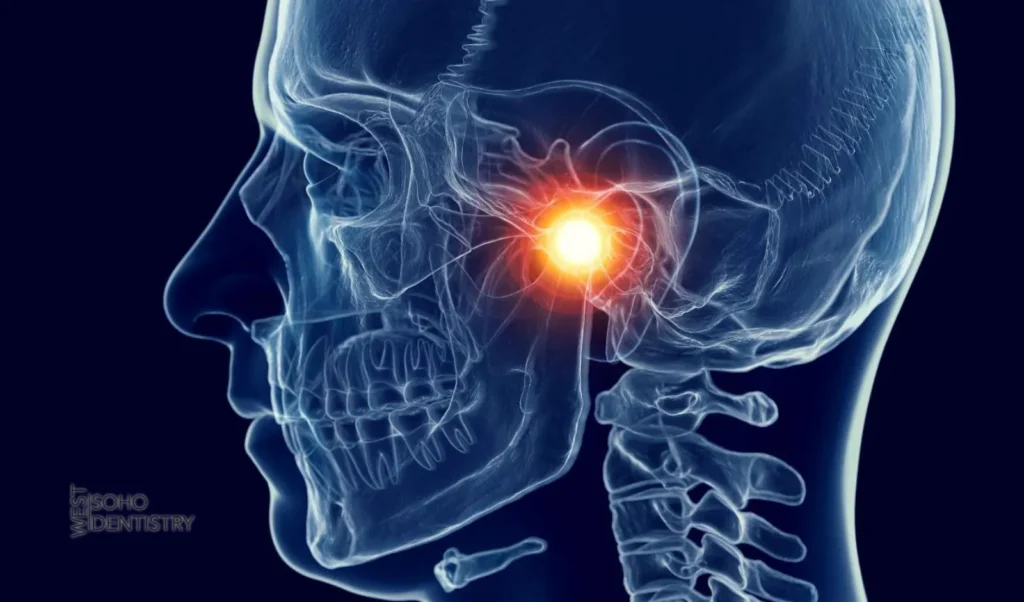
Tooth pain in jaw areas can feel confusing. While the discomfort may begin in a tooth, it can extend into the jaw muscles or feel like tension along the side of the face.
This type of pain is sometimes linked to the temporomandibular joint, which helps control jaw movement. Jaw-related discomfort may feel worse after long conversations, chewing tough foods, or clenching the teeth.
Common Triggers People Notice
Over time, many people begin to recognize patterns in their discomfort. These may include:
- Pain triggered by hot or cold food
- Sudden sharp pain when biting
- Ongoing tooth sensitivity
- Soreness linked to teeth grinding
- Tenderness associated with gum pain
While these sensations don’t point to a single cause, they can signal changes in oral health that are worth noticing.
How Tooth Pain Can Affect Daily Life
Ongoing discomfort can influence eating habits, sleep, and overall mood. Some people chew on one side of the mouth, avoid certain foods, or feel distracted during conversations.
Ignoring dental issues for too long may also increase stress and raise concerns about long-term problems such as tooth loss. Paying attention early can help people feel more in control of their comfort and dental care choices.
Staying Informed Without Making Assumptions
Tooth pain does not mean the same thing for everyone. A cracked tooth, gum irritation, or jaw tension can all create similar sensations. Awareness is about noticing changes not diagnosing them.
Dental care today places strong emphasis on education and communication. Practices like West Soho Dentistry focus on helping patients understand what they are experiencing and what treatment options may be discussed, without pressure or confusion.
Final Thoughts
Tooth discomfort can show up in many forms, from front tooth pain that is easy to notice to deeper sensations like tooth pain in jaw areas that are harder to describe. Because teeth, gums, and jaw structures are closely connected, discomfort doesn’t always stay in one place.
Rather than ignoring ongoing soreness or guessing at the cause, staying informed is one of the most helpful first steps. Understanding the different types of tooth and gum discomfort allows you to respond thoughtfully and protect your comfort over time.
Taking the Next Step Toward Everyday Comfort
If tooth discomfort continues to return or begins to interfere with daily life, reaching out for guidance can provide reassurance. A patient-centered dental team can help explain what may be contributing to discomfort and discuss possible pain relief approaches in a clear, supportive way.
A practice such as West Soho Dentistry focuses on comfort, transparency, and support throughout the dental care experience. If you’d like to schedule an appointment or talk through your concerns, their office can be reached at 212-645-2808. Feeling informed and supported plays an important role in maintaining long-term oral health.