
What Is Oral Surgery?
A Clear, Student-Friendly Guide
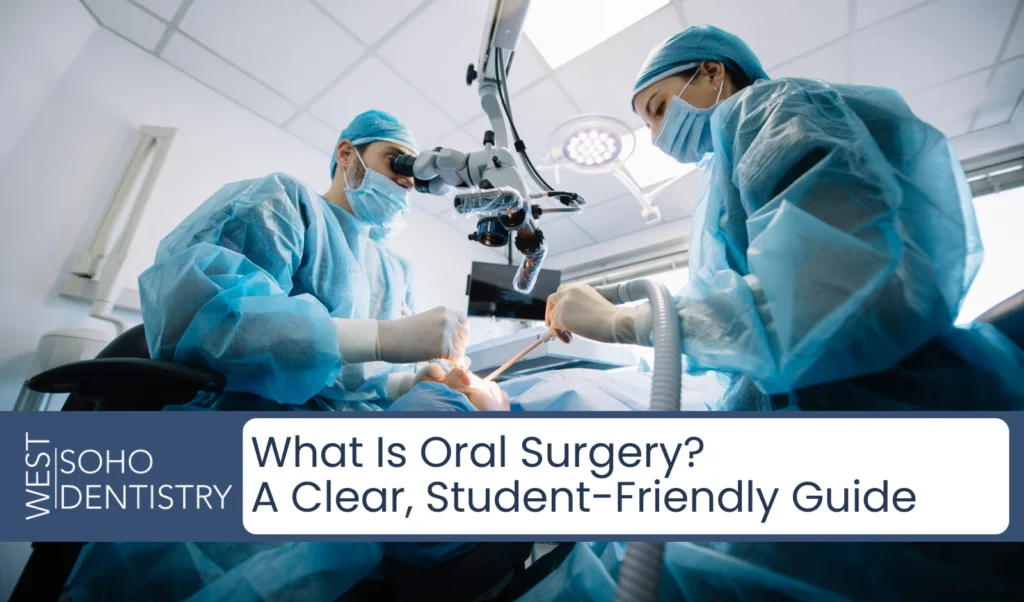
Quick Answer
What is oral surgery, and what does it usually involve for me?
It refers to specialized dental procedures involving the mouth and jaw that go beyond routine care. These procedures may focus on teeth, bone, or soft tissues and are typically planned rather than urgent.
Key Takeaways
- The term covers a wide range of advanced dental procedures
- Not every dental treatment is considered surgical
- Some procedures focus on teeth, while others involve bone or soft tissues
- Understanding what is considered oral surgery helps reduce confusion
- These procedures support long-term oral health
Dental terms can sound intimidating, especially when they aren’t clearly explained. One phrase that often causes uncertainty is what is oral surgery. Many people imagine complex hospital settings, even though that’s not always the case.
In reality, this category of care includes many planned dental procedures involving the mouth and jaw. Learning what the term means can help patients feel more confident during dental conversations and better understand how certain treatments fit into overall oral health.
What Makes a Procedure Surgical?
In dentistry, a surgical procedure involves making controlled changes to teeth, bone, or soft tissues. This doesn’t automatically mean the process is extreme. Instead, it describes the method used when routine treatments are not enough.
Because precision and advanced techniques are required, these procedures are often handled by specialists rather than general dentists.
What Is Considered Oral Surgery?
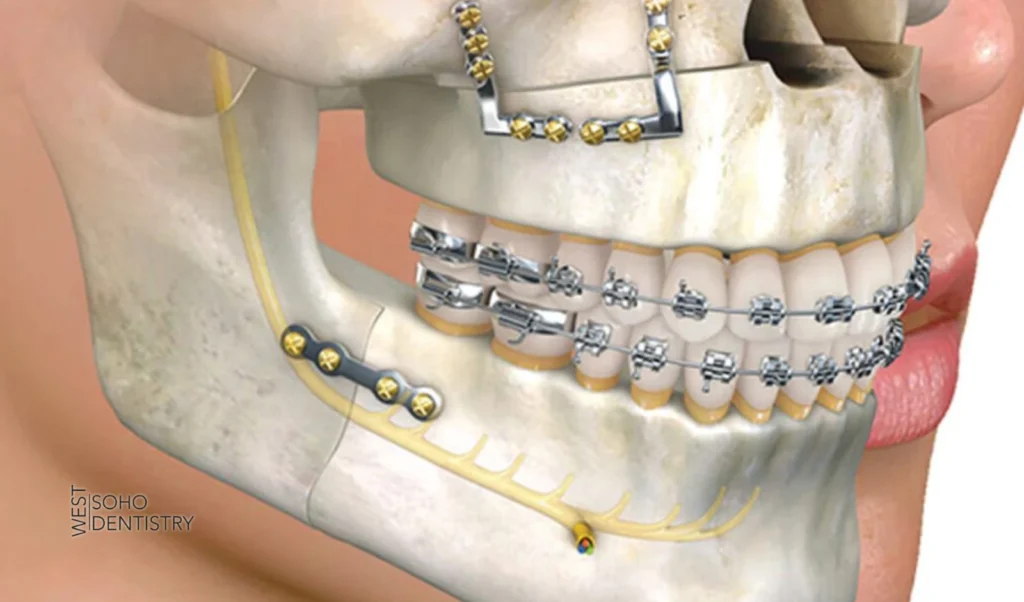
Many people ask what is considered oral surgery because the category is broader than expected. It includes treatments that involve deeper areas of the mouth and jaw, facial structure, or supporting bone.
These procedures are commonly grouped under oral and maxillofacial surgery, a specialty focused on function, structure, and balance within the mouth and jaw.
Who Performs These Procedures?
An oral and maxillofacial surgeon is a dental specialist who completes advanced education beyond dental school. Their training centers on complex procedures involving facial structures, bone, and alignment.
General dentists often identify concerns during regular visits and recommend specialized care when appropriate. Practices like West Soho Dentistry help patients understand why a referral may be suggested and how it supports long-term oral health.
Common Types of Oral Surgery
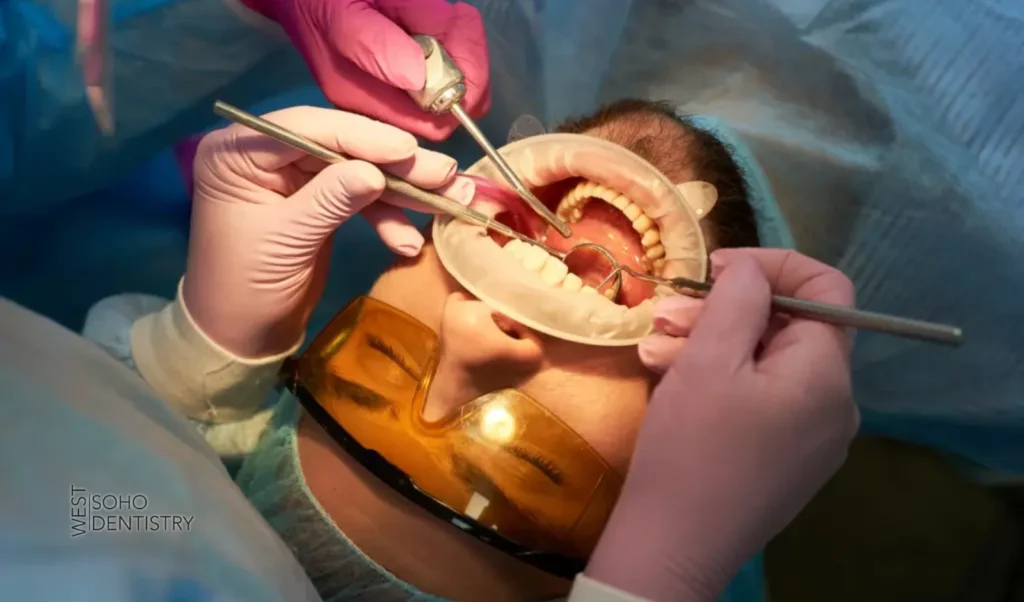
There are many types of oral surgery, ranging from relatively simple to more involved. One commonly discussed example is wisdom teeth removal, also known as wisdom tooth removal, which often comes up when these teeth don’t have enough room to emerge properly.
Other procedures may address bone loss, help prepare the mouth for future dental work, or reduce the risk of complications by correcting structural concerns early.
Corrective and Developmental Procedures
Some treatments focus on alignment and balance within the jaw. Corrective jaw surgery may be discussed when jaw positioning affects comfort or function.
Other procedures relate to developmental conditions such as cleft lip and palate, which often involve coordinated care over time. These treatments fall under the same specialty because they affect facial structure and function.
Gum and Soft Tissue Procedures
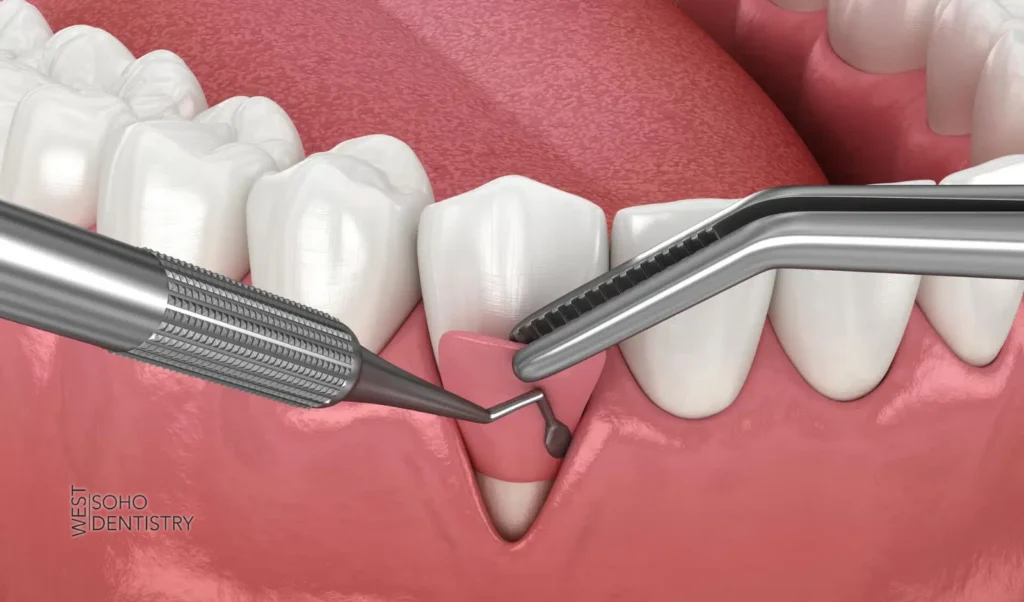
Not all surgical care focuses on teeth or bone. Some procedures involve the gums and surrounding soft tissues. Gum grafting may be discussed when additional tissue support is needed.
Conditions like gum disease can also lead to conversations about advanced treatment options, particularly when stability or bone support is affected.
Anesthesia and the Treatment Experience
Depending on the procedure, local anesthesia or general anesthesia may be part of treatment planning. The option discussed typically depends on the complexity of the procedure and overall comfort considerations.
These conversations are meant to inform, not alarm, and are a normal part of preparing for specialized dental care.
How These Procedures Fit Into Overall Care
Advanced dental procedures rarely stand alone. They often support future dental work or help maintain long-term oral health. Addressing concerns early may improve stability and function over time.
Clinics such as West Soho Dentistry focus on helping patients understand how each step fits into a broader care plan rather than viewing surgery as an isolated event.
What These Procedures Are Not
Routine cleanings, standard fillings, and cosmetic treatments are not considered surgical. These services don’t involve deeper structures or advanced techniques.
Knowing this distinction helps patients better understand dental terminology and feel more confident when treatment options are discussed.
Final Thoughts
Oral surgery is a broad term that describes specialized dental procedures involving the mouth and jaw. These treatments cover a wide range of needs, from teeth and gums to bone and facial structure.
Understanding what is considered oral surgery allows for clearer conversations, reduced anxiety, and greater awareness of how certain procedures support overall oral health.
Want Clear Answers About Your Dental Care?
If you have questions about specialized dental procedures or how they fit into your care plan, a trusted provider like West Soho Dentistry can help you feel informed and prepared. If you’d like personalized guidance for your needs or schedule a visit, call 212-645-2808. Knowing professional care is available helps make dental concerns feel more manageable.
Frequently Asked Questions
Should I be concerned when surgery is mentioned?
Not automatically. Many procedures are planned and commonly discussed.
How do I know if something falls under this category?
If it involves deeper structures like bone, gums, or jaw alignment, it may be considered surgical.
Why would my dentist refer me to a specialist?
Specialists have advanced training for complex procedures involving the mouth and jaw.
Is surgery always a major procedure?
No. Some procedures are brief, while others are more involved.
Can oral surgery be part of taking care of my oral health long term?
Yes. In many cases, it supports future dental care and helps maintain stability and function over time.