


Quick Answer
What changes the cost of oral surgery if you pay out of pocket?
Oral surgery costs can change depending on the type of procedure, the dental office, and the anesthesia used. Without insurance coverage, costs are usually lowest for simple extractions and much higher for more complex procedures like dental implants or surgical extraction of impacted teeth.
Key Takeaways
- Oral surgery costs depend on the type of procedure, anesthesia, and additional costs.
- Simple tooth extraction and more complex surgeries like dental implants differ greatly in price.
- Our team can help you understand costs and payment options before treatment.
- Knowing what your dental insurance plans cover helps avoid surprises.
- A consultation gives you a personalized estimate before treatment.
- Putting off care because of cost can let problems like infection get worse.

If you are thinking about oral surgery, one of the first questions is often: “how much is oral surgery?” or “how much does oral surgery cost without insurance?”
Costs vary a lot depending on the procedure, type of anesthesia, and your dental office. Some treatments are simple, like a simple tooth extraction, while others are more complicated, like surgical extraction of impacted teeth or placing a dental implant. In this guide, we explain what affects costs so you can plan ahead. It also makes the process less stressful and helps you focus on your dental health instead of worrying about bills.
Factors That Affect Oral Surgery Costs
The total cost of oral surgery depends on several things: the type of procedure, the location of the dental office, the type of anesthesia, and whether you have insurance coverage.
Type of Procedure
The type of procedure is one of the biggest factors in average cost:
- A simple extraction under local anesthesia is usually the least expensive.
- Surgical extraction of wisdom teeth or dental implants costs more.
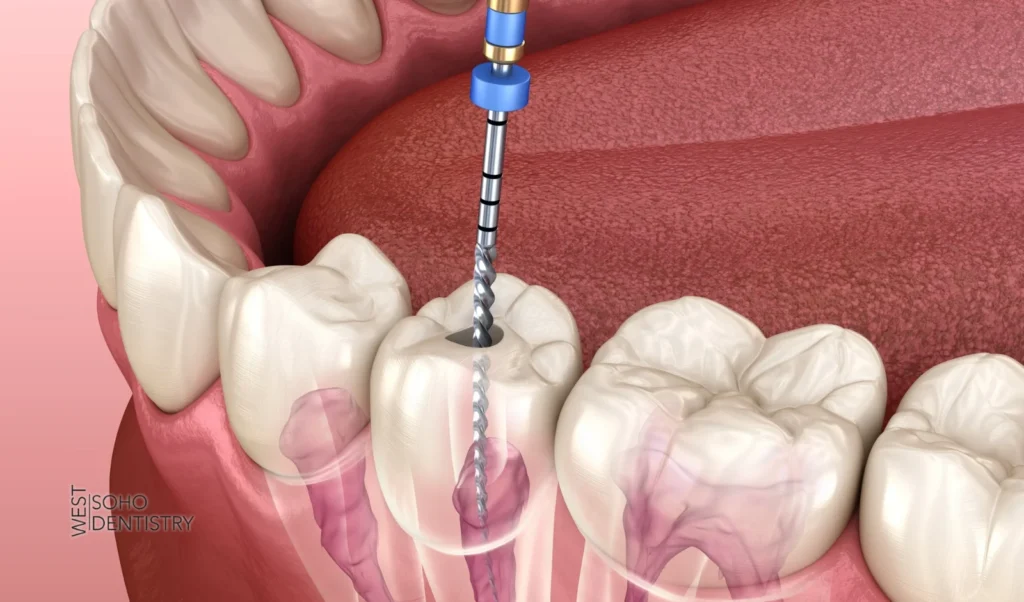
- Procedures like root canals can also add to dental expenses, even though they are usually done by a general dentist.

Type of Anesthesia
Anesthesia choice affects price:
- Local anesthesia, which numbs just the area being treated, is usually cheaper.
- Sedation or general anesthesia increases costs, especially for complex procedures like dental implants or removing impacted teeth.
Location of the Dental Office
The location of your dental office affects pricing. Clinics in big cities or specialty offices may charge more. Specialists, such as oral surgeons, may charge more for complex cases that need extra training and equipment.
Related: Care After Tooth Extraction for Better Healing Results
Understanding Oral Surgery Costs Without Insurance
If you don’t have dental insurance, it’s natural to be concerned about affordability. When asking how much does oral surgery cost without insurance, it helps to remember that pricing is usually customized rather than fixed. Dental offices assess individual needs before determining costs, which means no two cases are exactly the same.
Rather than focusing on exact numbers, ask what your estimate includes, such as the exam, X-rays, anesthesia, the procedure and follow-up visits. This approach allows for clearer expectations and better financial preparation.
Insurance Coverage
If you have dental insurance plans, your coverage can lower costs. Some plans cover simple extractions or root canals, while others may partially cover surgical extractions or dental implants. Knowing what your plans cover helps you avoid unexpected bills.
Common Procedures and Costs
Simple Extractions
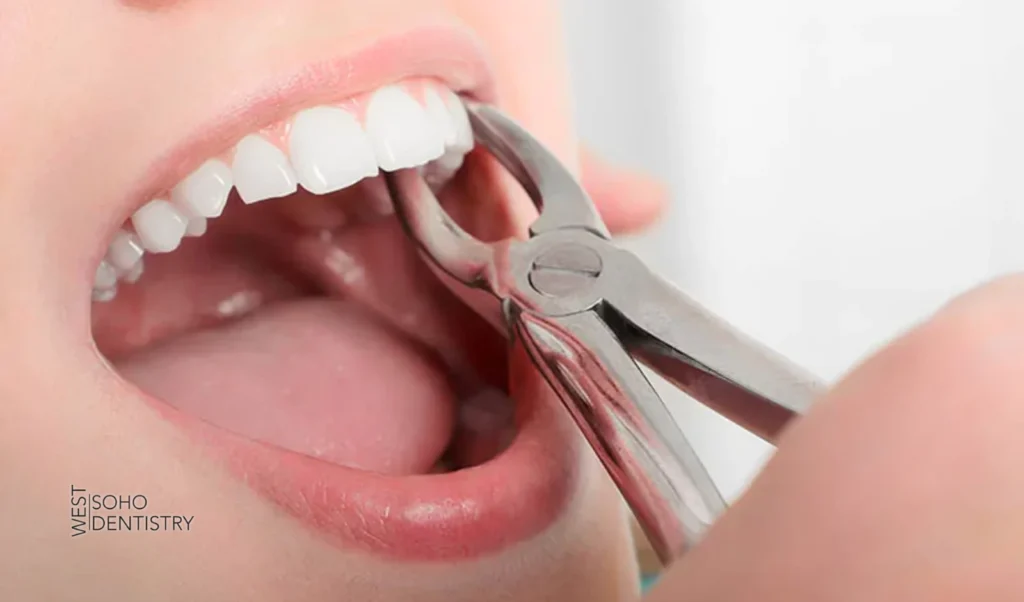
A simple extraction removes a tooth that is fully visible and easy to reach. It usually uses local anesthesia, keeping costs lower. This is one of the most common oral surgery procedures.
Surgical Extractions and Impacted Teeth
Some teeth, especially wisdom teeth, may be impacted (stuck under the gum or bone) or only partly grown in. These require surgical extraction. They are more complicated, may require sedation, and often include additional costs for instruments and follow-up care.
Dental Implants
Dental implants replace missing teeth and are a long-term investment in your oral health. They cost more than extractions because they need special equipment and several visits over a few months. The post heals into the jawbone before the new tooth is attached.
Root Canals
While not always oral surgery, root canals are commonly done by general dentists. They save the tooth and are sometimes part of a larger treatment plan.
Related: What Are Dental Implants? A Guide to Tooth Replacement
How to Plan for Oral Surgery Costs
Check Your Dental Insurance Plans
Before scheduling oral surgery, look at your dental insurance plans to see what they cover. Coverage varies by plan, so check how much your plan pays for simple extractions, surgical extractions or dental implants. Understanding your coverage helps you plan for any additional costs.
Explore Payment Options
Many dental offices offer payment options to make surgery more manageable. Our team can talk with you about payment options that may let you spread costs over time. Discussing financing beforehand reduces stress and helps you plan.
Know the Type of Procedure
Different procedures have different average costs. Knowing if you need a simple extraction, surgical extraction, or dental implant can help you prepare financially.
Why Understanding Oral Surgery Costs Matters
Knowing the cost of oral surgery helps patients make better decisions. Waiting to have surgery because of cost worries can make problems worse, like gum disease or infection around impacted teeth.
Scheduling a consultation with our team gives you a personalized estimate. You’ll know the type of procedure, anesthesia, and any additional costs ahead of time. This helps you feel confident and ready.
Extra Tips to Manage Costs
- Ask if your dental insurance plans cover part of the procedure.
- Ask for written estimates so you can compare costs and care between offices.
- Consider clinics that offer payment options or financing plans.
- Plan ahead for additional costs like X-rays, follow-ups, or anesthesia fees.
When Not to Wait for Care
Cost matters, but some problems need care quickly. Call us soon if you have tooth pain that will not go away, swollen gums, or a bad taste that may mean infection. If you have facial swelling with a fever, or trouble swallowing or breathing, go to the ER or call 911 right away. We can talk through costs once you are safe.

Final Thoughts
Understanding “how much is oral surgery” or “how much does oral surgery cost without insurance” doesn’t have to be confusing. Costs vary depending on the type of procedure, anesthesia, the experience of the surgeon, and insurance coverage.
By learning about procedures like simple extractions, surgical extractions, dental implants, and root canals, patients can plan their finances, explore payment options, and avoid unexpected costs. Our team is here to guide you and help you get the care you need.
Book An Appointment
Get Your Estimate Today
Don’t let cost worries stop you from getting care. Contact West Soho Dentistry at (212) 645-2808 to discuss your options, review insurance coverage, and get a personalized estimate. Planning ahead makes your oral surgery easier and less stressful.
Frequently Asked Questions
I don’t have insurance. How can I know the total cost of my oral surgery?
A consultation is the most reliable way to learn your total cost. We can give you an estimate based on your procedure, type of anesthesia and any follow-up visits.
Are there payment options if I can’t pay all at once?
Yes, many dental offices offer payment options or financing to help you manage costs. Ask about them before treatment.
Does the type of anesthesia affect the price?
Yes, the type of anesthesia affects the price. Local anesthesia usually costs less, while sedation or general anesthesia usually costs more.
Can costs vary depending on the dental office?
Yes, costs can vary between dental offices. Location, the provider’s training and the equipment used can all affect pricing. Comparing written estimates can help.
How do I know what my insurance plans cover?
You can learn what your plan covers by reviewing your benefits or calling your insurance company. Check if plans cover procedures like root canals, simple extractions, or dental implants.
Which procedures are considered oral surgery?
Tooth extractions, including simple and surgical extractions and wisdom tooth removal, and dental implant placement are common types of oral surgery. Treatments like root canals are usually done by a general dentist.


