Targeted care to restore gum health and protect your smile
At West Soho Dentistry, we provide professional gum disease treatment designed to stop infection, restore gum health, and protect your teeth from further damage. Gum disease is a common condition that can progress quietly, often without pain, but it can lead to serious oral health problems if left untreated.
If you are searching for gum disease treatment near you, our West Soho dental office offers effective, personalized dental care using modern techniques to manage infection and support long-term oral health.
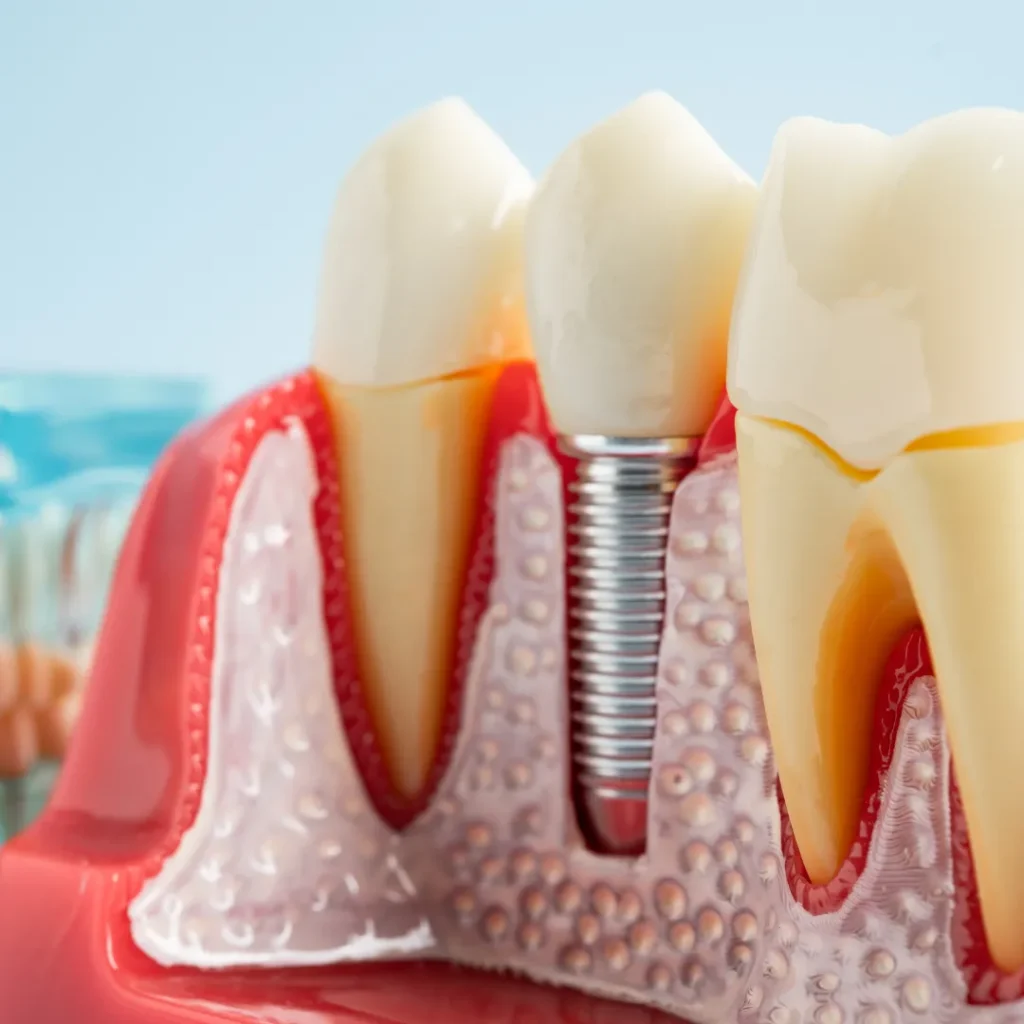
Gum disease, also known as periodontal disease, is caused by bacteria that build up along and below the gum line. This condition exists in more than one form of gum disease, and without proper care, it can damage the gums, bone, and supporting structures of the teeth.
There are two main stages:
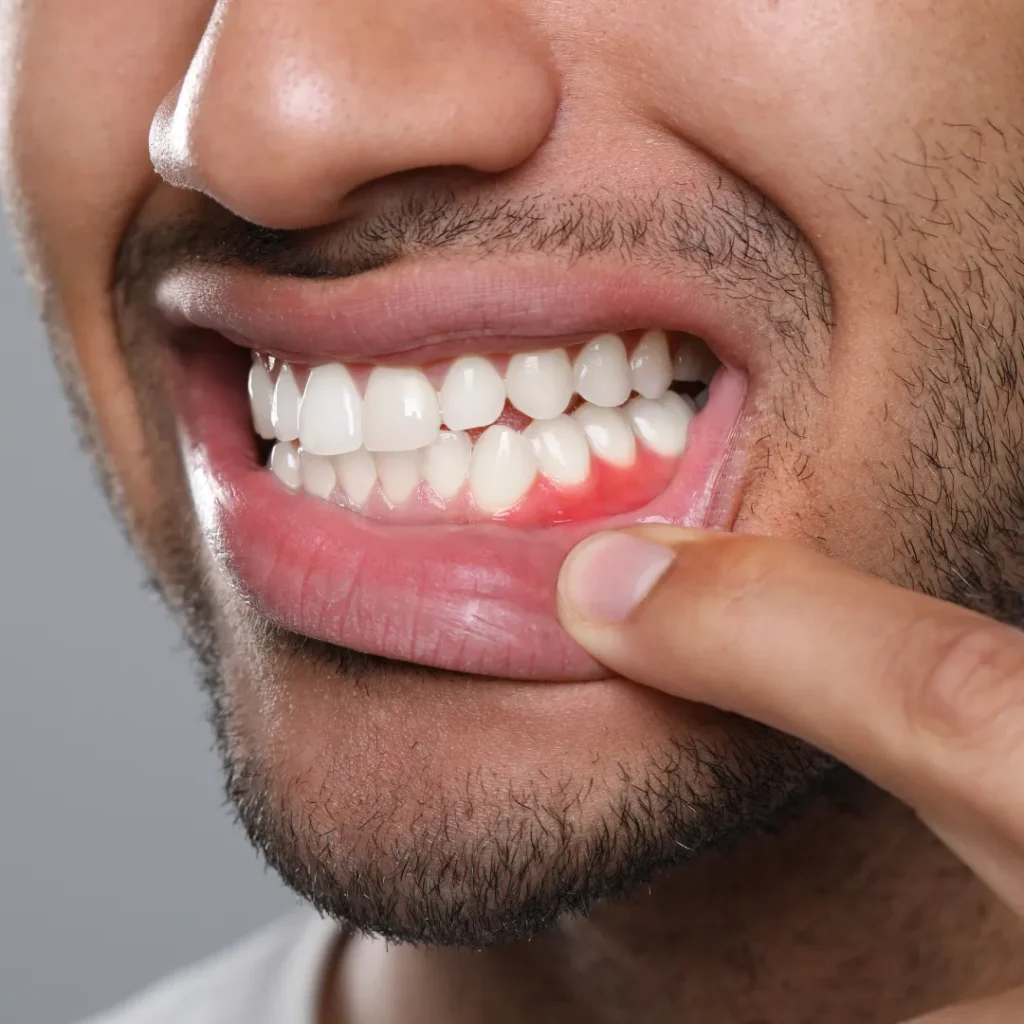
Gingivitis – the early stages, often marked by bleeding gums and inflammation, and typically reversible
Periodontitis – a more advanced form that may cause bone loss and loose teeth
Early diagnosis and timely care help treat gum disease before permanent damage occurs.
Looking for Gum Disease Treatment Near You in West Soho?
Visit West Soho Dentistry in New York
If you are searching for gum disease treatment near you, West Soho Dentistry offers compassionate, evidence-based care designed to restore gum health and protect your smile at every stage.
We offer a range of gum disease treatments based on the severity of the condition and your individual needs. Your dentist will discuss appropriate treatment options after a full evaluation.
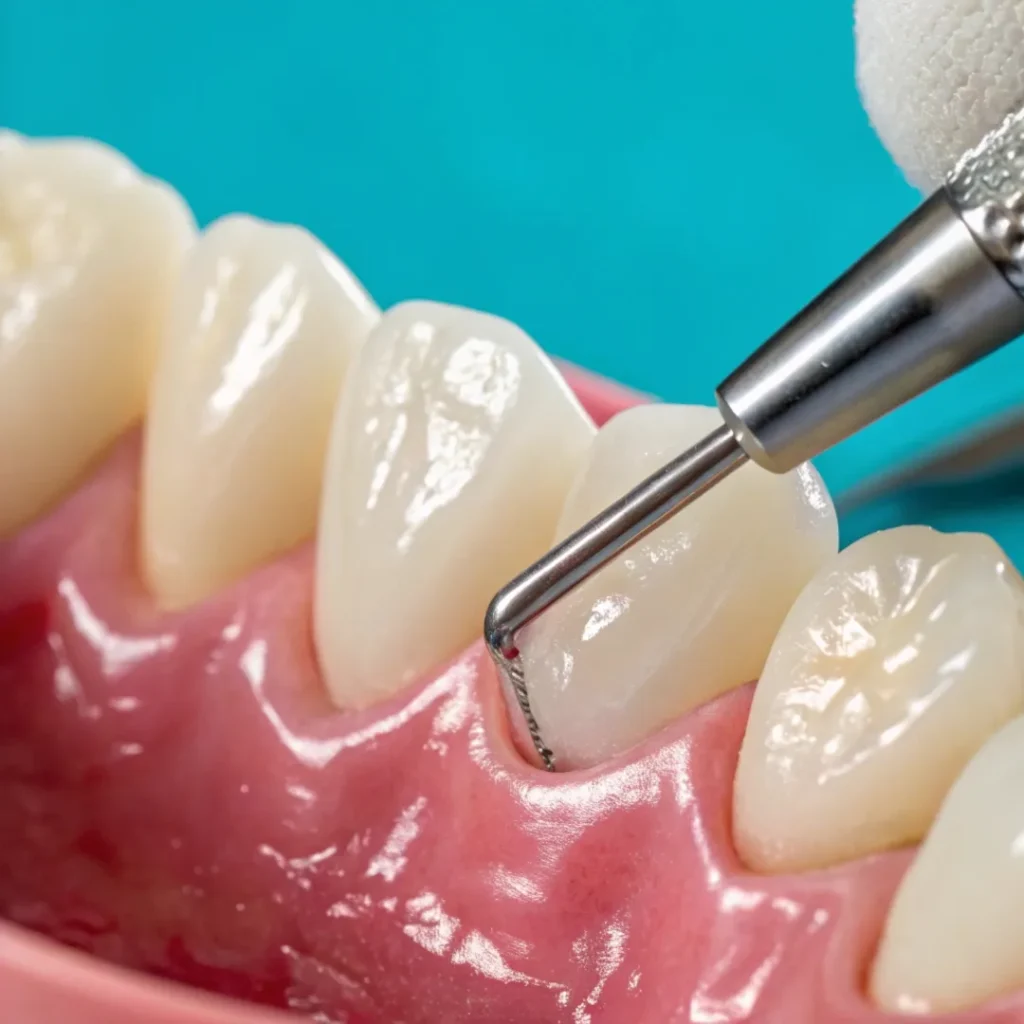
Scaling and Root Planing
This deep cleaning procedure removes plaque and bacteria from below the gum line and smooths the roots of the teeth. It is one of the most common treatments gum disease patients receive in mild to moderate cases.
Periodontal Maintenance
For patients with a history of gum disease, periodontal maintenance cleanings help control bacteria and reduce the risk of reinfection. These visits are often scheduled more frequently than routine cleanings.
Targeted Therapy and Monitoring
In certain cases, localized therapies may be recommended to support healing and control infection. Ongoing monitoring ensures treatment remains effective over time.
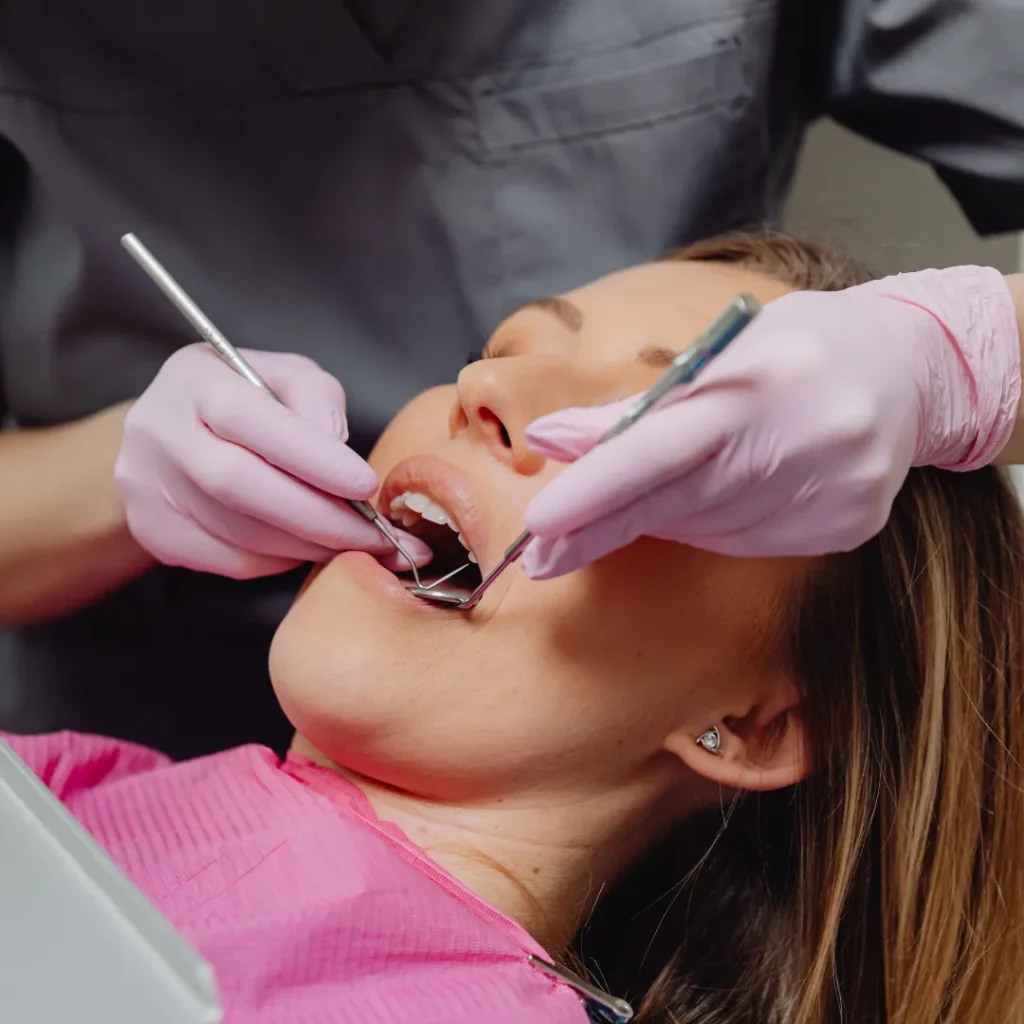
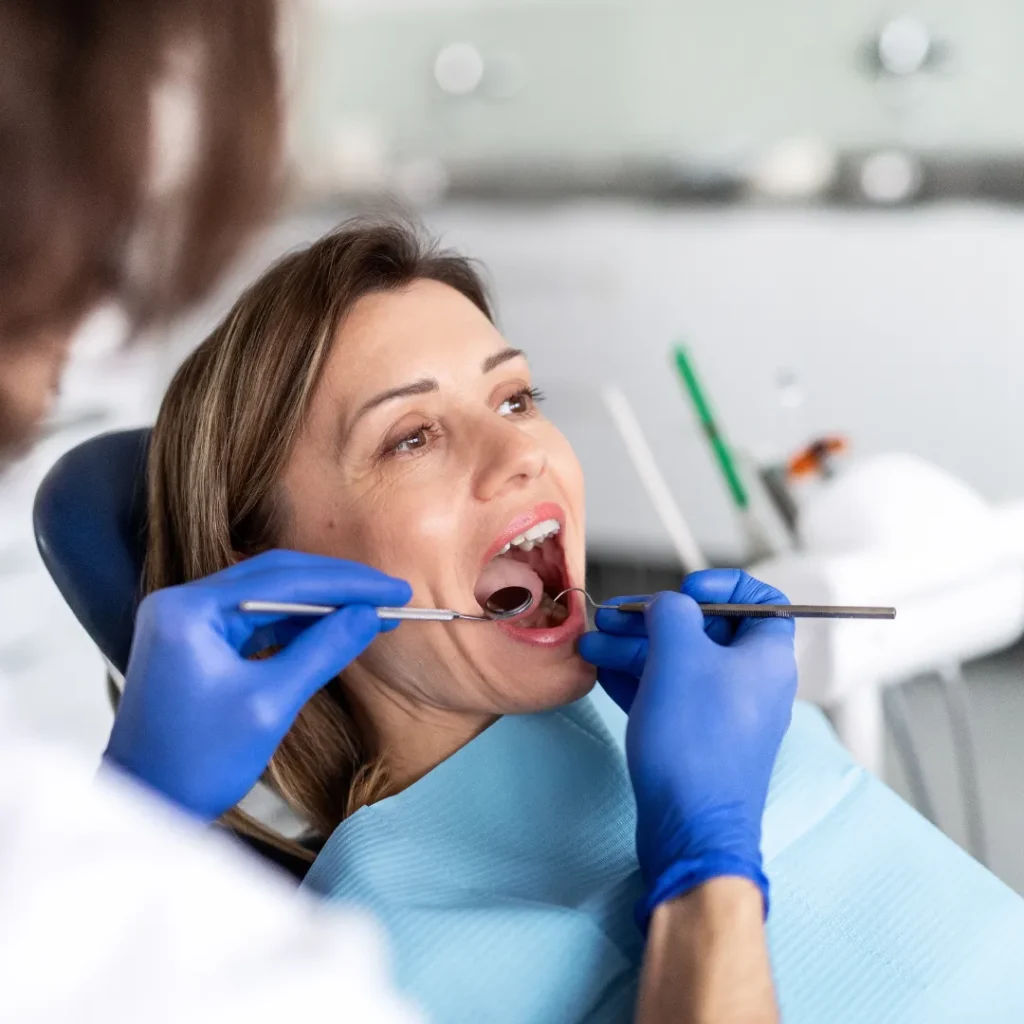
Your visit begins with a comprehensive evaluation of your gums, teeth, and supporting structures. Digital imaging and periodontal measurements may be used to assess the depth of infection. Treatment is performed using gentle, patient-focused techniques. After care is complete, we provide guidance on at-home oral hygiene and schedule follow-up visits to support healing.
No. Gum disease typically requires professional evaluation and treatment. Early intervention may help prevent the condition from becoming more serious.
Bleeding gums can be a sign of gum disease, but they may also be caused by other oral health concerns. A dental examination can help determine the cause.
Yes. Treatment options vary depending on the severity of the condition and may include professional cleanings, deep cleanings, and ongoing periodontal care.