
Chipped Tooth With No Pain: What It Really Means
Quick Question and Answer
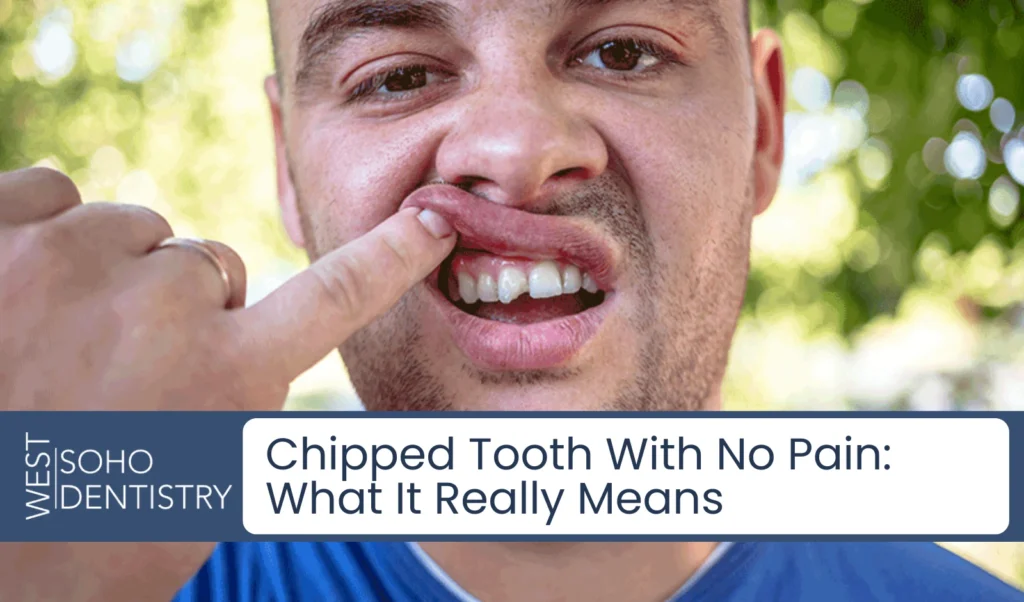
Is it normal for me to have a chipped tooth even though I feel no pain?
Yes. It’s possible for my back tooth to chip without causing pain, especially when the outer tooth enamel is affected. Even without discomfort, it’s still something I should stay aware of rather than ignore completely.
Key Takeaways
- A slightly chipped tooth no pain situation is more common than many people expect.
- Back teeth can chip or crack quietly from everyday pressure and wear.
- Minor chips may not hurt but can still affect the overall tooth structure.
- Rough spots or sharp edges can appear even when there’s no discomfort.
- Awareness helps prevent further damage and confusion over time.
Introduction
Realizing I have a back tooth chipped no pain can feel confusing at first. I might notice a rough spot with my tongue, feel sharp edges while brushing, or sense that something feels “off,” yet nothing actually hurts. Because pain is usually how dental problems make themselves known, the absence of it can make the situation seem easy to ignore.
Still, chipped teeth especially in the back are more than just a cosmetic detail. Back teeth do most of the chewing, handling pressure every time I eat. Even a small change can affect how my teeth work together. Whether it’s a tiny tooth fragment that broke off or a subtle shift in shape, understanding what’s happening helps me respond calmly instead of guessing or worrying unnecessarily.

Why a Back Tooth Can Chip Without Pain
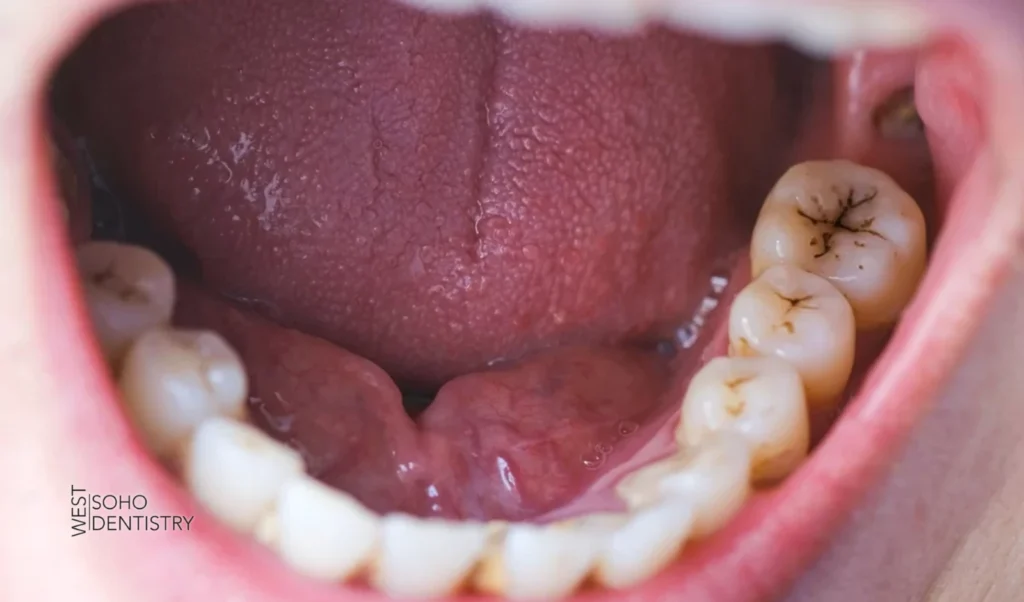
Back teeth are designed to be strong, but they’re under constant stress. Chewing firm foods, clenching, grinding, or long-term wear can all chip a tooth without warning. When the damage only involves the outer tooth enamel, there are no nerves involved, so pain doesn’t occur.
That’s why a back tooth chipped off no pain experience often goes unnoticed at first. I may not realize anything happened until food starts catching in a new place or my tongue detects a rough edge. This doesn’t automatically mean the tooth is severely damaged or heading toward something extreme like a root canal. It simply means the change happened quietly.
What a Painless Chip Often Feels Like
Even without discomfort, a chipped back tooth can still feel different from before. Common sensations include:
- A rough or uneven surface
- Sharp edges brushing against the tongue or cheek
- A subtle change when biting down
These sensations are often what bring attention to the issue, not pain. With minor chips, the tooth may still feel strong and functional, which is why many people delay thinking about it at all.
Why Pain Isn’t the Only Thing That Matters
Pain is an important signal, but it isn’t the only way teeth communicate change. A broken tooth or small chip can exist without pain while still affecting how pressure moves through the tooth structure.
Over time, uneven pressure may increase wear on certain areas or make parts of the tooth more exposed. This can raise the chance of surface changes linked to tooth decay, even if nothing feels wrong at the moment. That’s why leaving a chipped tooth untreated isn’t always about immediate pain it’s about long-term awareness.

Everyday Habits After a Chip
Most people continue daily life normally after a painless chip. Eating, talking, and smiling usually feel the same. Because back teeth aren’t easily visible, the chip often stays out of mind.
Still, I might notice small habit changes without realizing it, such as chewing more on one side or avoiding very hard textures. Some people choose simple awareness habits, like being gentler with the area or remembering to rinse your mouth after meals. Even something as basic as using warm water can help the mouth feel clean and comfortable without assuming there’s a serious problem.
Common Misunderstandings About Chipped Teeth
One common misunderstanding is that only painful problems matter. Another is that back teeth aren’t important because they can’t be seen when I smile. In reality, back teeth do most of the work, and even a small chip or crack can influence how the rest of the mouth functions.
There’s also confusion about outcomes. Not every chipped tooth leads to major procedures like dental implants. Many situations stay stable for a long time, especially when the chip is small, painless, and monitored. Understanding this helps reduce unnecessary fear.
How Dental Professionals Often Look at It
Dental professionals usually evaluate painless chips by looking at the whole picture, not just the chipped area. They consider how the enamel looks, how the tooth fits into the bite, and whether nearby teeth are affected.
In some cases, options like dental bonding may be discussed to cover the damaged tooth or restore the tooth’s original shape. The goal is typically to protect strength, balance, and function not to rush into aggressive solutions. Practices such as West Soho Dentistry often focus on patient education, helping people understand how to save the tooth when possible rather than jumping to extremes.
Why Awareness Makes a Difference
Being aware doesn’t mean assuming something is wrong. It means noticing changes and understanding what they might represent. A painless chip today doesn’t automatically lead to problems tomorrow, but awareness helps me recognize if something changes later.
By paying attention to texture, bite comfort, and daily habits, I can stay informed about my own oral health without stress. Awareness is about clarity, not fear.
Final Thoughts
A chipped back tooth no pain situation doesn’t have to feel alarming. It’s a common experience and often part of everyday wear. While the lack of discomfort can be misleading, it doesn’t mean the change should be ignored or feared.
By understanding how chips happen and why pain isn’t always present, I can approach the situation calmly and confidently. Whether it’s a small enamel chip or a noticeable shape change, awareness helps protect long-term oral health.
CTA
If I’ve noticed a chipped back tooth and still have questions, mentioning it during a regular dental visit can bring clarity and peace of mind. Clinics like West Soho Dentistry focus on clear explanations, helping patients understand what they’re noticing without pressure or assumptions.
Frequently Asked Questions
Can I really have a tooth chip without feeling any pain?
Yes. If the chip only affects the tooth enamel, I may not feel pain at all.
Does a painless chip always turn into something serious?
No. Many minor chips remain stable, but staying aware helps prevent further damage.
Will my tooth heal on its own?
No. Teeth don’t regrow enamel, so a chip usually remains unless it’s professionally addressed.
Is a chipped tooth the same as a broken tooth?
Not always. A broken tooth usually involves more of the structure, while a chip can be very small.
What’s the goal if a chip is looked at professionally?
The goal is often to restore the tooth’s shape, protect its structure, and keep it functioning comfortably over time.