
Chipped Molar Tooth No Pain Doesn’t Mean No Attention Needed
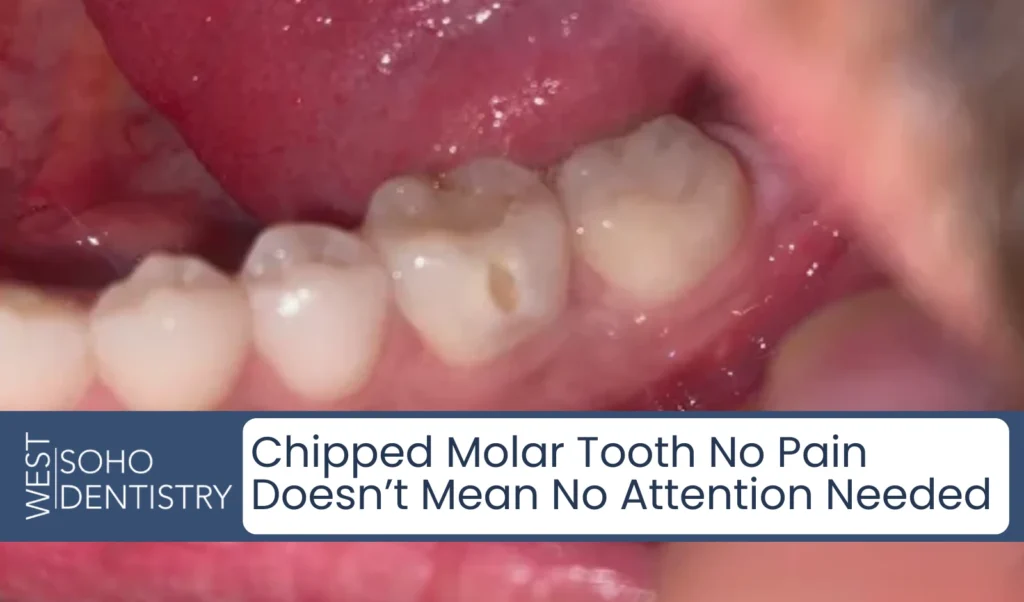
Finding out that you have a chipped tooth can be surprising, especially when it is one of your molars and there is no pain. Many people assume that tooth damage always hurts, so when nothing feels wrong, it is easy to ignore. A chipped tooth no pain molar situation can feel confusing because it seems minor, yet it still raises questions.
This blog helps you understand what a chipped molar with no pain might mean, why it can happen, and why paying attention still matters. Everything is explained clearly, without complicated terms, making it easy to follow even if this is your first time noticing a dental change.
Why Molars Can Chip Without Pain
Molars are the back teeth used for chewing and grinding food. They are strong and built to handle pressure, but strength does not make them indestructible. Over time, small stresses can add up.
A chipped molar tooth no pain often occurs because the outer layer of the tooth enamel does not have nerves. When only this layer is affected, your body may not send any pain signals. That does not mean nothing happened; it simply means the sensitive inner parts were not involved.
Common everyday reasons molars can chip include biting something unexpectedly hard, grinding teeth during sleep, or gradual wear that weakens enamel. Sometimes, people do not even remember when the chip occurred.
Signs You Might Notice Instead of Pain
Even without pain, your mouth may give subtle clues that something has changed. These signs are easy to miss if you are not paying attention.
You might feel a rough or sharp edge when your tongue touches the tooth. Food may get stuck more often in that area. In some cases, the tooth may look slightly different in the mirror, especially under bright light.
Noticing these small changes early helps you stay aware of your dental health and prevents minor issues from being ignored.
Why “No Pain” Does Not Always Mean “No Problem”
Pain is often seen as a warning signal, but it is not the only way your body communicates changes. A chipped molar without pain can still affect how your teeth work together.
Molars play a key role in chewing. Even a small chip can slightly change how your teeth meet when you bite down. Over time, this may create uneven pressure on nearby teeth or cause discomfort later.
Ignoring a chipped tooth simply because it does not hurt can allow small issues to grow. Awareness, not fear, is the goal.
How Daily Habits Can Play a Role
Everyday habits can affect your teeth more than you might think. Chewing ice, opening packages with your teeth, or biting pens can stress molars.
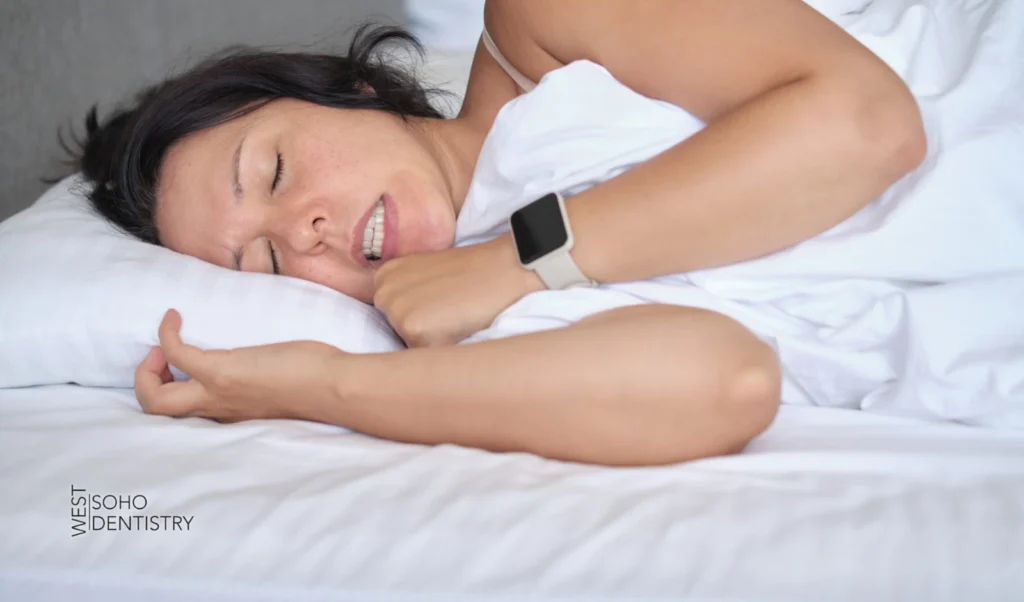
Teeth grinding, often happening during sleep, is another common factor. Because it usually happens unconsciously, people may not connect it to a chipped tooth. Over time, grinding can weaken enamel and make chips more likely.
Being mindful of these habits can reduce future risks, even if your current chipped molar feels fine.
The Emotional Side of Discovering a Chipped Tooth
Even without pain, discovering a chipped tooth can cause worry. You might think about how it looks, what it means for your smile, or whether it could worsen.
These concerns are normal. Teeth are closely tied to confidence and daily comfort. The good news is that noticing a chip early, before pain starts, puts you in a better position to manage it calmly.
Dental practices like West Soho Dentistry emphasize awareness over waiting for discomfort. Paying attention early is a proactive step, not an overreaction.
Talking About It Without Overthinking It
Deciding what to do after noticing a chipped molar can be tricky. Because it does not hurt, people often delay mentioning it.
Instead of stressing, think of it as sharing information. Not every dental change is urgent, but mentioning it during routine checkups helps create a clear dental history.
Open conversations with dental professionals can help you feel informed rather than anxious. West Soho Dentistry focuses on helping patients understand changes in a simple, reassuring way.
How a Chipped Molar Can Affect Everyday Life
Even when pain is absent, a chipped molar can subtly affect daily life. You may chew differently without realizing it, favoring one side of your mouth.
Small chips can also create uneven surfaces that trap food. This makes cleaning slightly harder and may require extra care during brushing.
None of this means something is wrong right now. It simply highlights why staying aware of small changes matters.
Keeping Your Teeth in Mind Moving Forward
A chipped molar without pain is not something to panic about, but it is not something to ignore either. Think of it as a reminder to be more aware of how your teeth feel and function.
Simple habits like noticing rough edges, being gentle with hard foods, and avoiding using teeth as tools can go a long way. Awareness is often the first step toward prevention.
Dental clinics such as West Soho Dentistry encourage patients to view dental health as an ongoing process, not a series of emergencies. That mindset can make situations like this feel much less stressful.
Final Thoughts
A chipped molar tooth with no pain experience can feel unusual because it goes against what many people expect. Pain is not always present when changes occur, especially in strong back teeth like molars.
The key takeaway is balance. There is no need for alarm, but there is value in awareness. Paying attention to small changes helps you stay informed and confident about your dental health.
By understanding what a chipped tooth with no pain might mean, you can approach the situation calmly, ask questions when needed, and move forward with greater peace of mind.
Staying Confident After a Minor Chip
A small tooth chip does not have to affect your confidence. Knowing that minor changes are often harmless makes it easier to stay calm.
Supportive dental teams make a big difference. When questions are answered clearly and without pressure, managing a minor chip becomes straightforward.
If you ever want reassurance or personalized guidance about your smile, the team at West Soho Dentistry is available at 212-645-2808. Knowing that support is within reach can help you feel secure and confident about your dental health over time.