
What to Eat After Oral Surgery: Simple, Safe Food Choices
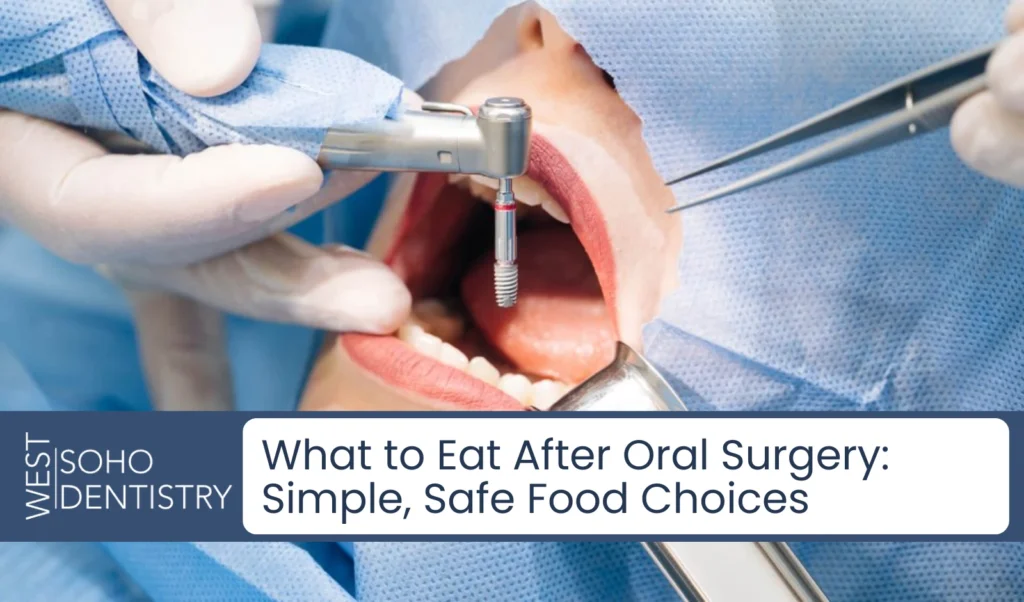
Quick Answer
What should I eat after oral surgery with stitches?
After oral surgery, many people find that eating soft, gentle foods that are easy to chew feels more comfortable, especially when stitches are present. The goal is to choose items that are easy to eat while giving your mouth time to heal.
Key Takeaways
- Soft foods to eat can feel more manageable after oral surgery
- Choosing foods that are easy to chew may help protect the surgical area
- Certain textures may feel uncomfortable around the surgical site
- Simple food choices can support the healing process without stress
After Oral Surgery Doesn’t Have to Be Stressful
Recovering from oral surgery whether it’s a tooth extraction or wisdom teeth removal often comes with questions about food. It’s common to wonder what feels safe, comfortable, or simply possible to eat right after the procedure.
Understanding what to eat after oral surgery is less about strict rules and more about choosing foods that feel gentle on the mouth. During this time, the surgical area may feel sensitive, making texture just as important as taste. This guide focuses on comfort, variety, and simplicity, without medical instructions or diagnosis-based advice.
Why Food Choices Matter After Oral Surgery
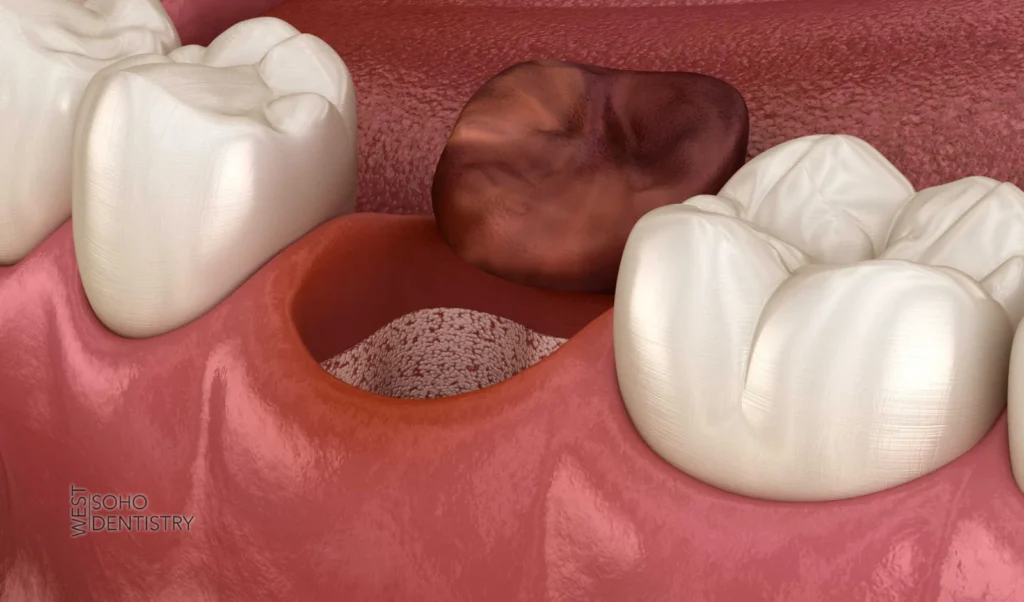
After a tooth extraction or other oral surgery, the mouth needs time to recover. The healing process often involves tenderness near the surgical site, which can affect how foods feel when chewing or swallowing.
People are often mindful of foods that could irritate the area or dislodge the blood clot that naturally forms as part of healing. This clot plays an important role in recovery, and protecting it can help reduce concerns like dry socket. Choosing foods that feel gentle can make eating more comfortable during this stage.
Soft Foods That Are Easy to Enjoy
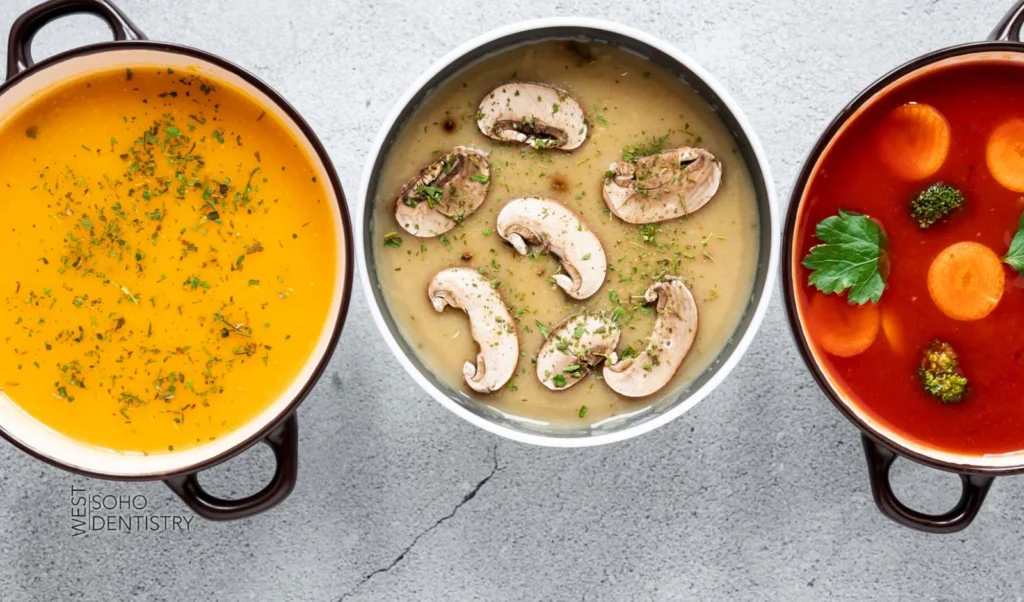
Soft foods don’t have to feel boring or repetitive. Many familiar meals can be adapted into textures that feel easier on the mouth while you eat after oral procedures.
Popular soft foods to eat include:
- Mashed potatoes and scrambled eggs
- Yogurt or pudding
- Smooth soups (not hot foods)
- Soft rice or pasta
These foods are commonly chosen because they are easy to eat and don’t require much chewing. They can also be adjusted in flavor to keep meals enjoyable.
Drinks and Eating Comfortably
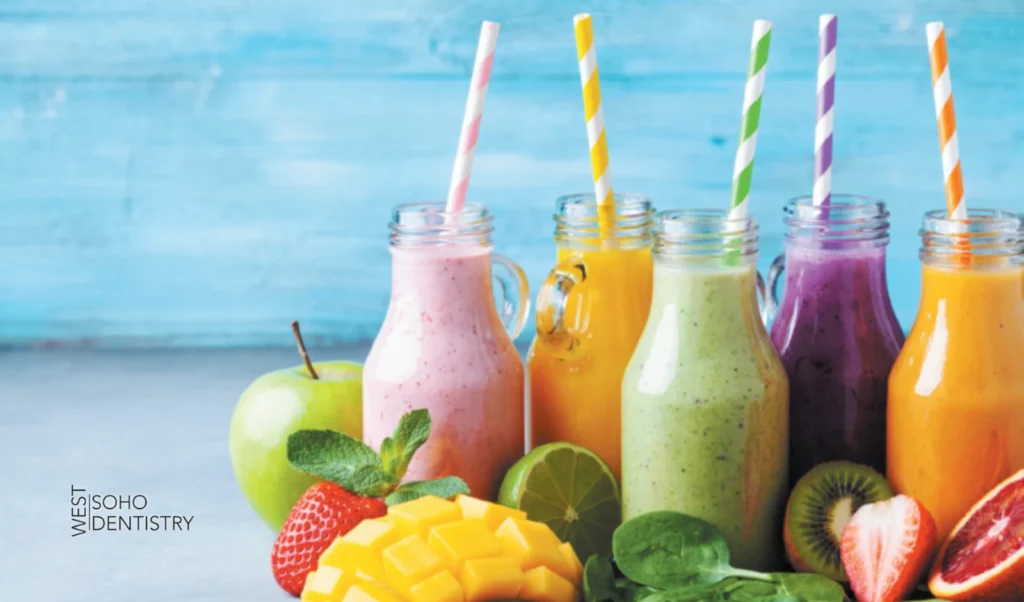
Drinks can make eating feel easier, especially when chewing feels tiring. Smooth beverages and blended options often feel gentle and can be consumed slowly.
Some people prefer avoiding hot foods or drinks early on, as heat may feel uncomfortable near the surgical area. Being mindful of temperature can help meals feel more manageable while the mouth continues to recover.
Foods That May Feel Uncomfortable Early On
During early recovery, certain foods may not feel ideal. Items like nuts or chips, crunchy snacks, or foods that require heavy chewing can feel irritating near the surgical site.
Additionally, foods that are very spicy or strongly flavored such as spicy foods or acidic foods may feel uncomfortable for some people. Skipping these temporarily can help keep meals more pleasant while the mouth continues to heal.
Protecting Comfort While Eating
One reason people focus on soft foods is to avoid irritation near the surgical area. Foods that are rough, sharp, or sticky may feel uncomfortable or make eating more stressful.
Dental teams often emphasize choosing foods that won’t pull at stitches or put pressure on sensitive areas. Some practices, like West Soho Dentistry, encourage patients to listen to their comfort level and adjust food choices as needed.
Making Meals Feel Normal Again
Eating the same meals every day can feel dull. Even while sticking to soft foods, variety is still possible. Rotating flavors, temperatures, and textures can help meals feel less repetitive.
Blending familiar meals into softer forms or switching between sweet and savory options can help eating feel more normal during the healing process.
Gradually Expanding Food Choices
As time passes and comfort improves, many people slowly reintroduce firmer foods. This process looks different for everyone and depends on how the mouth feels.
Dental teams, including those at West Soho Dentistry, often remind patients that recovery takes time. Giving your mouth the time to heal it needs can make the transition back to regular foods feel smoother.
Final Thoughts
Knowing what to eat after oral surgery doesn’t need to feel overwhelming. Soft, familiar foods that are easy to chew can make eating feel more comfortable while supporting the natural healing process. Whether you’ve had a tooth extraction or wisdom teeth removal, focusing on comfort can make recovery feel more manageable.
Need More Recovery-Friendly Guidance?
If questions come up about eating after oral surgery or you need reassurance while healing, West Soho Dentistry can offer guidance and support call 212-645-2808 to speak with their team.
Frequently Asked Questions
What should I eat after oral surgery if chewing feels difficult?
Many people choose soft foods to eat that are easy to chew, such as mashed potatoes or scrambled eggs.
Can certain foods affect how my mouth feels while healing?
Yes, some textures or strong flavors may feel uncomfortable near the surgical site.
Should I avoid crunchy foods right after a tooth extraction?
Crunchy items like nuts or chips may feel irritating early on, so many people wait before reintroducing them.
How long does it usually take before eating feels normal again?
Everyone’s recovery is different, but comfort often improves gradually as the mouth heals.
Why do people mention blood clots after oral surgery?
Blood clots naturally form as part of healing, and protecting them can help reduce discomfort during recovery.