
What is Oral & Maxillofacial Surgery? Your Easy Guide
Quick Answer
What does an oral and maxillofacial surgeon actually do?
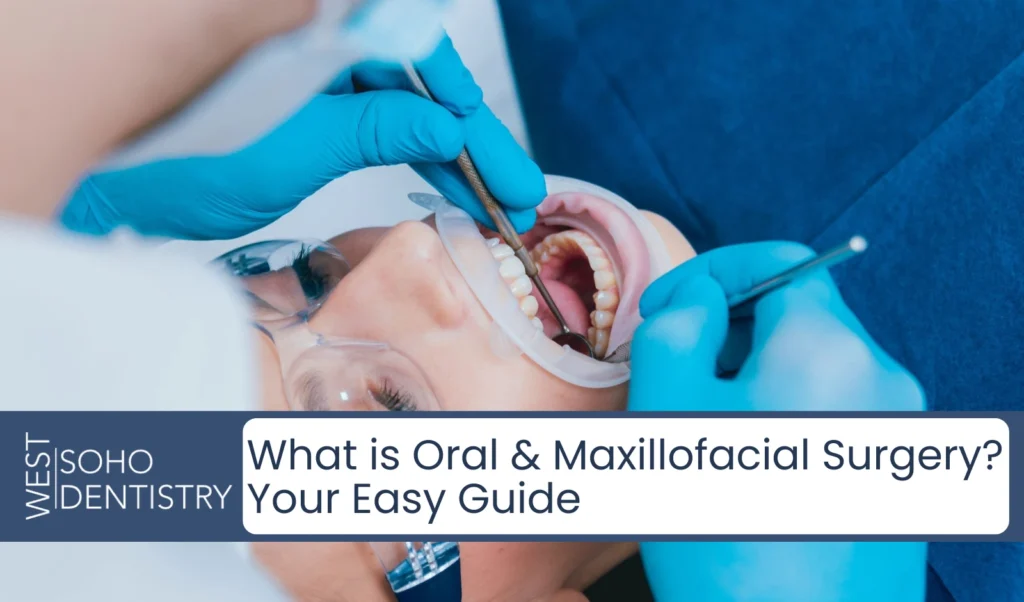
These specialists focus on problems in the mouth, jaw, face, and sometimes the head and neck. They handle cases that go beyond regular dental care, including corrective jaw surgery, dental implants, craniofacial surgery, and procedures on the soft tissues. They also treat diseases and injuries in these areas and perform surgeries for sleep apnea or cleft lip and palate.
Key Takeaways
- They treat the mouth, jaw, face, and head and neck.
- This surgical specialty can fix minor issues or handle complex cases like craniofacial surgery.
- Common procedures include dental implants, corrective jaw surgery, and temporomandibular joint treatments.
- Understanding what they do helps you feel confident when seeking care.
Most people think dental care is just check-ups or fillings. But sometimes, more advanced expertise is needed.
Oral and maxillofacial surgeons handle problems that general dentists usually don’t, such as craniofacial surgery, dental implants, or jaw alignment issues. They also treat injuries, structural problems, or diseases affecting the face and soft tissues.
These specialists often work with other doctors to provide complete care that improves both appearance and function.
Why This Field Matters
This specialty is important because it addresses problems regular dentistry cannot.
Even if surgery sounds scary, it can:
- Fix jaw problems and improve how you bite
- Repair injuries to teeth, jaw, or soft tissues
- Treat conditions like sleep apnea or temporomandibular joint pain
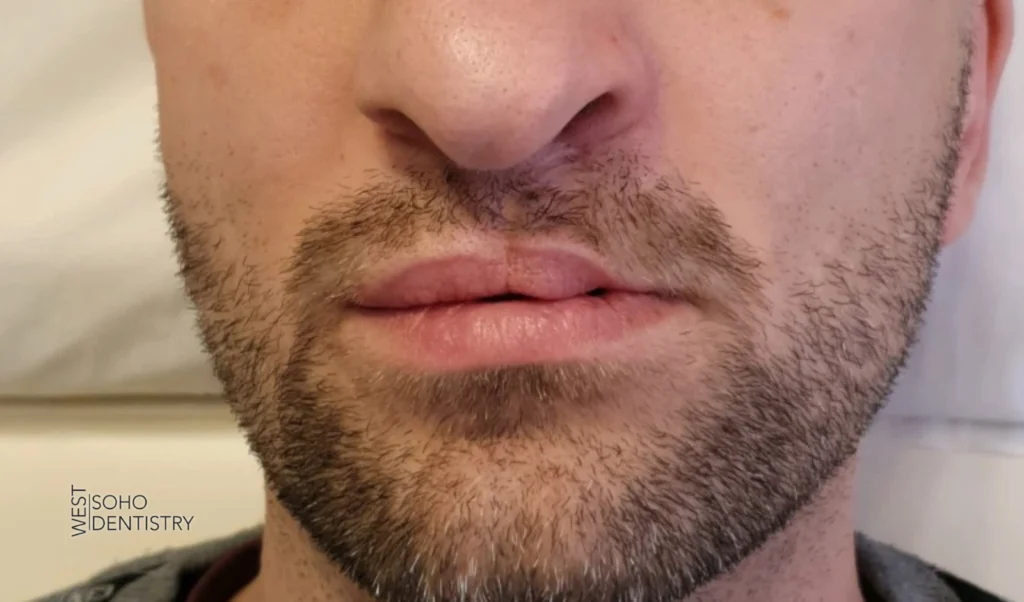
- Correct birth defects like cleft lip and palate
By handling diseases, injuries, and complex conditions, this specialty helps patients live more comfortably and confidently.
What Specialists Do
Here’s a simple breakdown of what these surgeons handle:
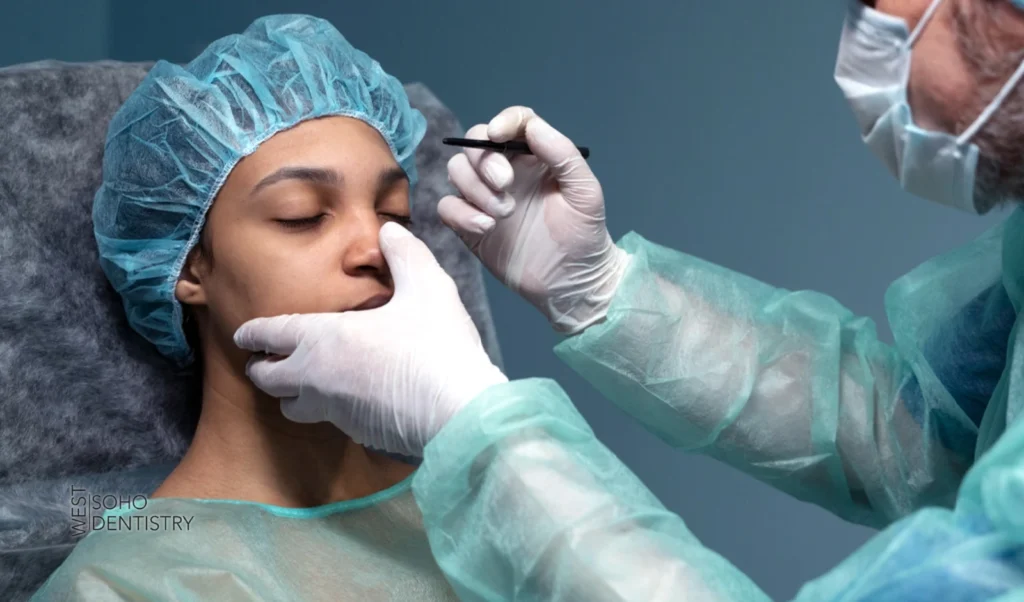
- Jaw and Facial Surgery: Fixes jaw alignment, facial injuries, or deformities
- Tooth Extractions and Dental Implants: Some cases need bone grafting for implants
- Craniofacial Surgery: Repairs structural or birth-related issues like cleft lip and palate
- Soft Tissue Care: Treats lumps, lesions, or injuries in the mouth
- Sleep Apnea Treatments: Surgery to improve breathing during sleep
- Oral Pathology: Evaluates unusual growths or conditions in the mouth and head and neck
Many procedures happen in a clinic, making them easier for patients to access.
How This Differs From Regular Dentistry
You might ask: “How is this different from my dentist?”
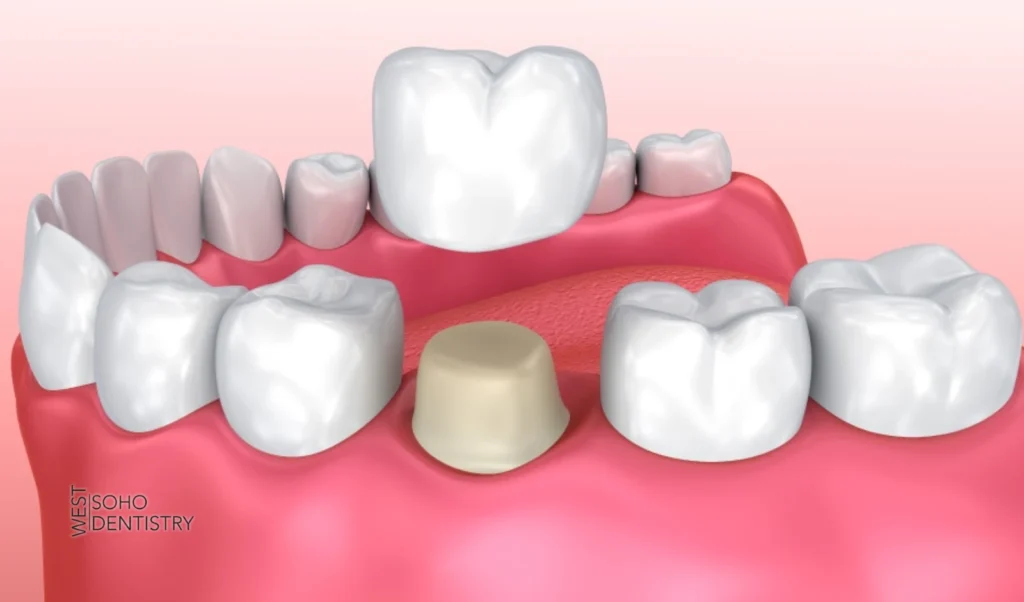
- Dentists handle cleanings, fillings, and crowns.
- Oral and maxillofacial surgeons perform surgical treatments for complex issues, including corrective jaw surgery, craniofacial surgery, or temporomandibular joint problems.
Think of your dentist as the general doctor for your teeth and the oral surgeon as the specialist for more advanced cases.
Training and Expertise
Oral and maxillofacial surgeons complete years of additional training after dental school.
They learn how to:
- Perform oral surgery and craniofacial surgery safely
- Manage problems with soft tissues and bones
- Treat diseases, injuries, and structural issues
Many also earn certification from the American Board of Oral and Maxillofacial Surgery, which shows they meet high professional standards.
Taking the Next Step
If you want to know more or see if a procedure is right for you, a consultation is the first step.
Clinics like West Soho Dentistry provide guidance for dental implants. For personalized advice call 212-645-2808. Having expert care within reach makes you understand the best options for your mouth, jaw, and face.
Frequently Asked Questions
How do I know if I need a specialist?
Sometimes my dentist recommends one if there’s a problem with my jaw, temporomandibular joint, or soft tissues. Even without pain, a consultation helps me understand my options.
Can this help jaw pain or misalignment?
Yes! Specialists often perform corrective jaw surgery or temporomandibular joint procedures to improve comfort and function.
What should I expect during a procedure?
Every case is different. My surgeon usually explains the steps, recovery, and what to expect. Knowing this ahead makes me feel prepared.
Do I always need a hospital for treatment?
Not always. Many procedures happen in a clinic, though some advanced craniofacial or sleep apnea surgeries may require a hospital.
Are these procedures common?
They’re specialized, but many people benefit from oral surgery, dental implants, craniofacial surgery, and other surgical treatments every year.