
Small Chipped Tooth No Pain: Keeping Your Smile Strong
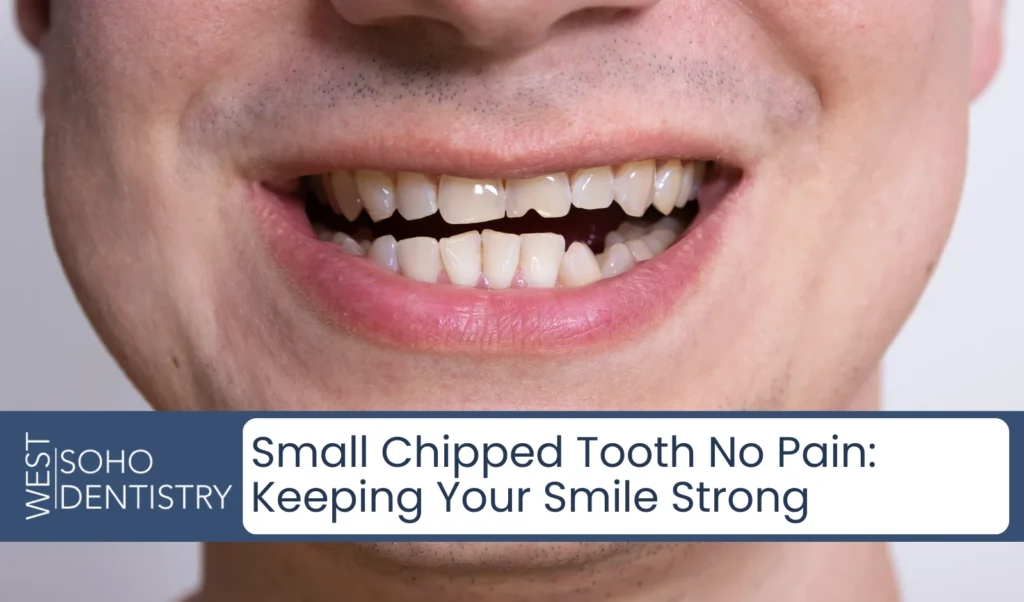
Noticing a small chipped tooth no pain or when part of a tooth chipped off no pain can be surprising. Even without discomfort, a minor change in your teeth can catch your attention. Many people assume that if a tooth doesn’t hurt, everything is fine but even a subtle chip or crack is worth monitoring.
In this blog, we’ll explore what it means when a tooth loses a small portion without pain, why it happens, how it can affect your dental health, and what options exist to maintain a confident smile. We’ll also discuss how to stay proactive about dental care without unnecessary worry.
What a Minor Chip Looks Like
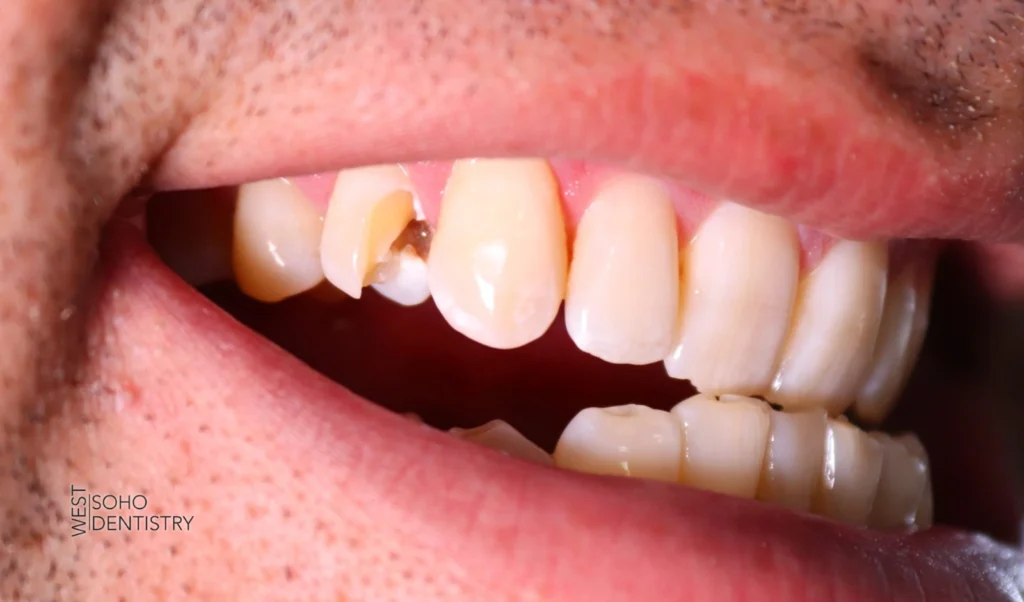
A chipped tooth without pain usually isn’t dramatic. You might notice a sharp edge, a slight roughness, or a small piece missing from a tooth when you run your tongue over it. Unlike more obvious dental injuries, these minor imperfections rarely cause discomfort.
Sometimes, the damage occurs near the gum line or on a back tooth, making it nearly invisible. Other times, it’s on a front tooth where it slightly affects your smile’s appearance. Even if it doesn’t hurt, a chip or crack can subtly change how your teeth meet when you bite or chew.
Why a Tooth Can Chip or Crack Without Pain
It may seem strange that a tiny piece of a tooth can break without causing pain, or that a cracked tooth doesn’t hurt, but this is common.
- Enamel Strength: Tooth enamel is the hard, protective layer of your teeth. Minor chips can occur without reaching the sensitive inner layers.
- Location of the Chip or Crack: Damage that affects only the surface or edges may not reach nerves, so it remains painless.
- Slow Wear or Minor Trauma: Everyday activities, like chewing hard foods, grinding teeth, or accidental bumps, can cause a minor chip or cracked tooth that goes unnoticed.
Even painless cracks can trap food or feel rough on your tongue, making them noticeable over time.
How Minor Chips and Cracks Affect Your Teeth
Even small changes can subtly impact your mouth:
- Sharp Edges: A minor chip can leave a rough spot that irritates the inside of your cheek or tongue.
- Appearance Changes: Chips or cracks on front teeth may affect your smile, especially in bright light.
- Bite Impact: A cracked or chipped tooth can alter how your teeth meet, potentially putting pressure on nearby teeth.
- Tooth Decay Risk: Chips and cracks can make it easier for tooth decay to form if plaque or food particles collect in the damaged area.
Even when part of a tooth chipped off no pain, monitoring these changes ensures small issues don’t develop into bigger problems.
Everyday Causes of Chips and Cracks
Minor chips are surprisingly common. Some causes include:
- Chewing hard foods like nuts, candy, or ice
- Accidental bumps during sports or daily activities
- Grinding or clenching teeth, often while sleeping
- Age-related wear on enamel
Cracked teeth and minor chips are a natural part of normal wear and tear. They don’t always signal serious dental issues, but keeping an eye on them is part of proactive dental care.
Cosmetic and Practical Considerations
Even when painless, a chipped tooth can be noticeable or bothersome for aesthetic reasons. Smooth, even teeth often boost confidence, so addressing a sharp edge or minor chip may be desirable.
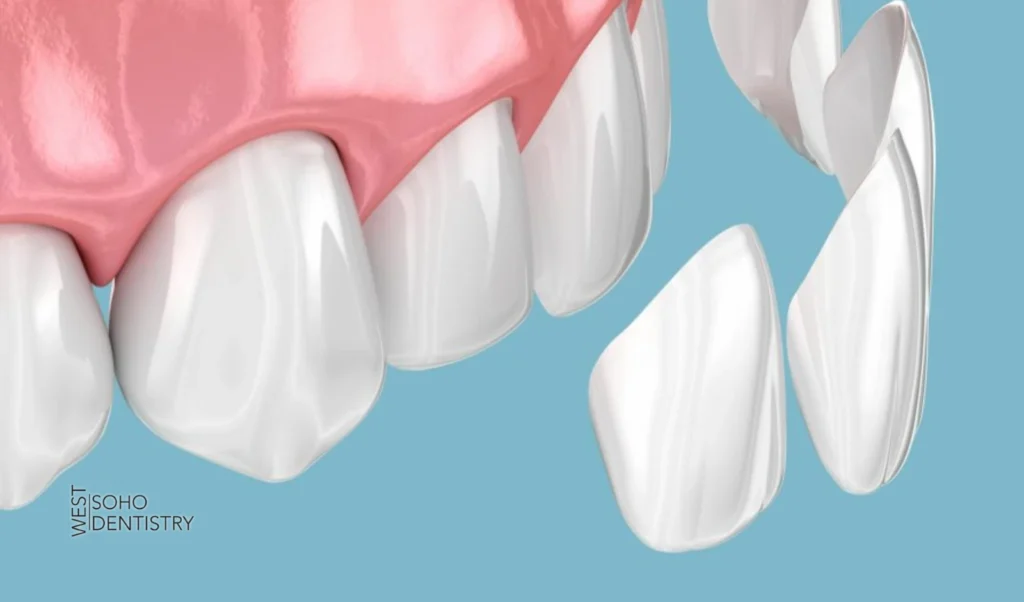
- Dental Bonding: A common, non-invasive solution to repair a chipped tooth. Bonding smooths edges and restores the natural look.
- Minor Chips on Front Teeth: Cosmetic fixes focus on appearance, helping maintain a polished smile.
- Gum Line Awareness: Chips near the gum line might trap food or plaque, so careful monitoring is important.
Addressing these small concerns can prevent chips from affecting confidence or oral health.
When to Keep an Eye on a Minor Chip
If you notice a tiny chip, it’s smart to watch for changes:
- Look for new cracks, chips, or rough edges.
- Notice if a tooth becomes sensitive or if chewing is uncomfortable.
- Maintain oral hygiene to reduce the risk of tooth decay around damaged areas.
Even when part of a tooth chipped off no pain, a supportive dental team can determine whether a chip or crack is cosmetic or requires monitoring. Knowing when to check in can give you confidence about your dental care choices.
Potential Treatment Options
Even minor chips can benefit from professional guidance. While immediate intervention isn’t always needed, understanding treatment options helps you stay prepared:
- Dental Bonding: Smooths rough edges and restores the tooth’s appearance.
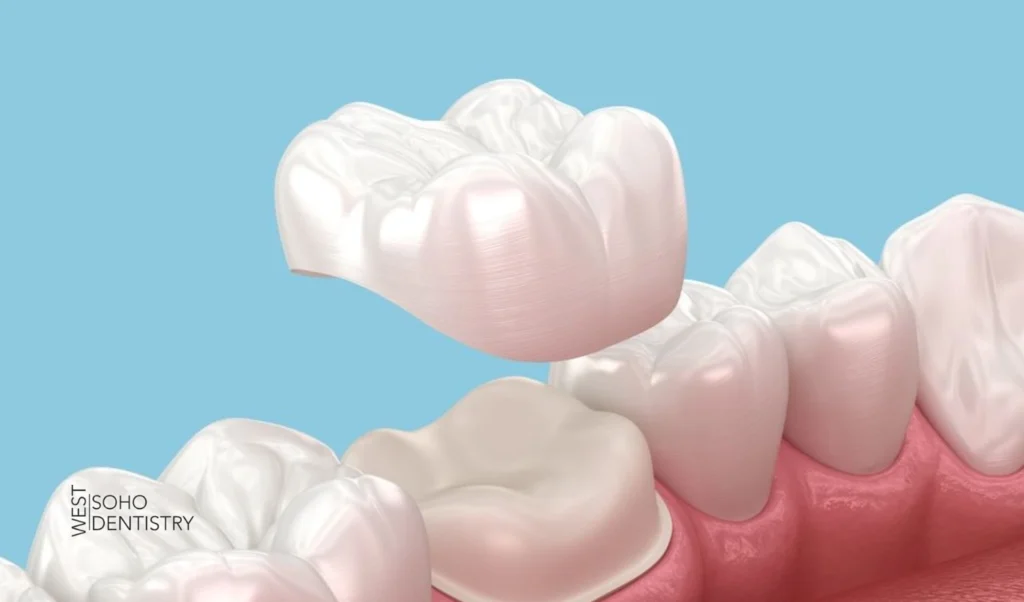
- Crowns: For larger cracks or chips, crowns strengthen the tooth and protect it from further damage.
- Root Canal: Rarely, if a crack reaches the tooth’s inner layers, a root canal may be suggested.
Knowing the possibilities allows you to address cracked or chipped teeth and cosmetic concerns without feeling overwhelmed.
Cracked Teeth and Long-Term Considerations
A cracked tooth differs from a minor chip, but small cracks can start subtly. They may extend below the gum line, making them harder to detect.
- Untreated cracks can worsen over time, especially if they affect biting surfaces.
- Regular dental visits help identify small cracks early and offer solutions before they become serious.
Even when a tiny chip doesn’t hurt, a dentist can monitor cracked teeth and suggest preventative measures to protect oral health.
Staying Confident With a Minor Chip
Even a minor chip doesn’t have to affect your confidence. Knowing that small changes are often harmless helps you feel calm.
Supportive dental teams make a big difference. When questions are answered clearly and without pressure, managing a minor chip or chipped tooth becomes straightforward.
Tips for Maintaining Healthy Teeth
Even minor chips or cracks benefit from proactive care:
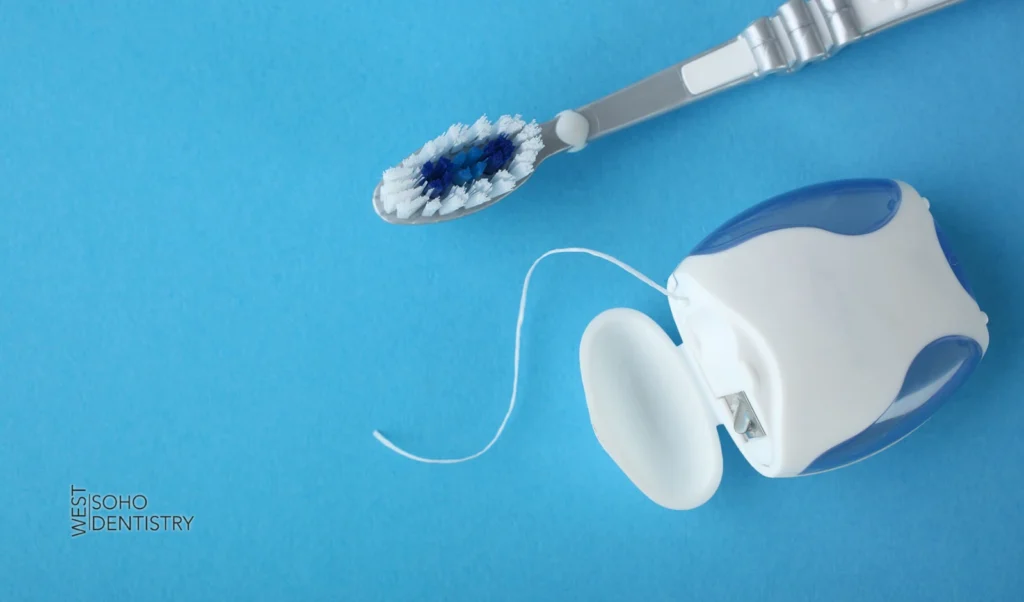
- Brush and floss regularly to prevent tooth decay around damaged areas.
- Avoid biting excessively hard foods that could worsen a chip or crack.
- Pay attention to gum line health, since chips near the gums can trap food and plaque.
- Schedule regular dental check-ups to catch early signs of wear, cracks, or decay.
Simple steps like these protect your smile and make managing cracked or chipped teeth easier over time.
Observing Early Signs
A small imperfection may seem minor, but observing early signs prevents larger problems. Even small cracks can affect bite alignment or increase the risk of tooth decay if unnoticed.
Tracking changes and consulting a dentist for routine monitoring is part of responsible dental care, keeping both oral health and confidence intact.
Summary: Understanding a Minor Tooth Chip
Noticing a small chipped tooth no pain or realizing that part of a tooth chipped off no pain can feel concerning at first, but these minor changes are common. In many cases, small chips or cracks affect only the outer enamel and do not cause immediate discomfort.
Even without pain, chipped or cracked teeth can create rough edges, affect appearance, or make it easier for plaque and food to collect. Paying attention to changes, practicing consistent dental care, and seeking professional input when needed can help prevent minor issues from becoming bigger concerns.
With the right awareness and support, a small chip doesn’t have to impact your confidence or daily life. Staying informed allows you to protect both the look and function of your smile over time.
Ready for Peace of Mind About Your Tooth?
Even if your chipped tooth doesn’t hurt, getting a professional opinion can help you avoid future problems and keep your smile looking its best. A quick check can confirm whether the chip is purely cosmetic or needs simple care.
Call West Soho Dentistry at 212-645-2808 to schedule a consultation and get clear, pressure-free guidance for your dental health.