
Understanding a Chipped Back Tooth With No Pain
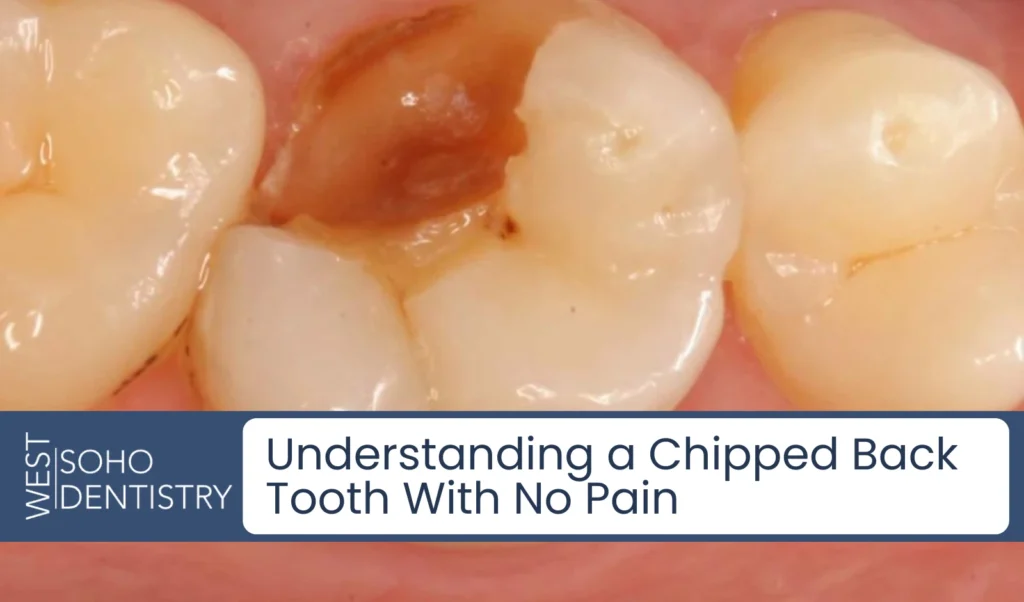
A chipped tooth may not hurt, but ignoring it isn’t always the best idea. Have you ever bitten down on something hard or felt a sharp edge on one of your back teeth, only to realize nothing actually hurts? You might have a chipped back tooth with no pain. While it can seem harmless, noticing a chip in your molar or premolar can bring up questions about your dental health and what to do next.
This blog will explore why back teeth can chip without causing pain, what you might notice, and ways to handle the situation. We’ll also look at why regular dental care matters, even when your mouth feels fine.
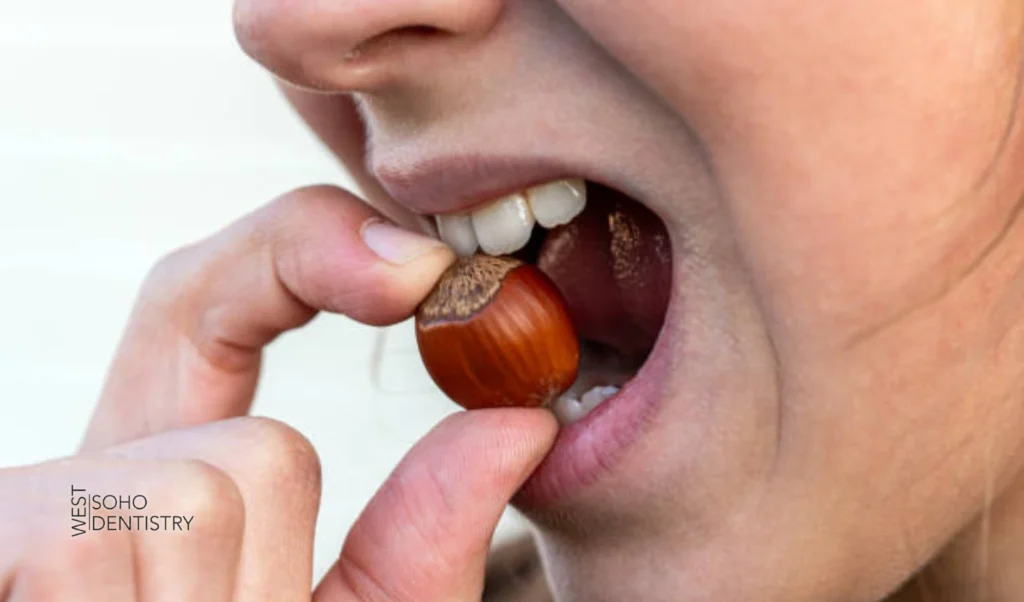
Why Back Teeth Can Break Without Hurting
Not all tooth damage causes discomfort. The enamel of the hard outer layer of your teeth is designed to protect the softer inner structures. Sometimes, a small piece of enamel can break off without reaching the sensitive part of your tooth, which is why a back tooth chipped no pain scenario is possible.
Back teeth, like molars and premolars, take most of the chewing pressure. Their location and function make them prone to chipping from everyday actions biting hard foods, grinding your teeth, or even minor impacts. Surprisingly, if the nerve inside the tooth is not exposed, you might not feel any pain at all.
Even a small chip can lead to issues over time, such as cracked teeth or, in severe cases, the need for root canals if the inner pulp becomes affected. Awareness early on can help prevent these complications.
Signs You Might Have a Chipped Back Tooth
Even if there’s no pain, chipped teeth can be noticeable in several ways. Watch for these signs:
- Rough or sharp edges: You might feel a jagged edge with your tongue.
- Changes in bite: Your teeth might feel uneven when you chew.
- Visible cracks or missing enamel: Sometimes you can see a tiny piece missing, which could be part of a broken tooth.
- Mild sensitivity: Even without sharp pain, you might notice slight discomfort with very hot or cold foods.
A chipped back tooth can sometimes go unnoticed because it doesn’t affect your appearance like a front tooth chip. However, it’s still important to monitor any changes.
Common Reasons Back Teeth Chip
Understanding how teeth can chip helps prevent future damage. Some common causes include:
- Biting hard foods: Nuts, ice, or hard candies can crack enamel.
- Accidents or trauma: Falls, sports injuries, or sudden impacts can chip a tooth.
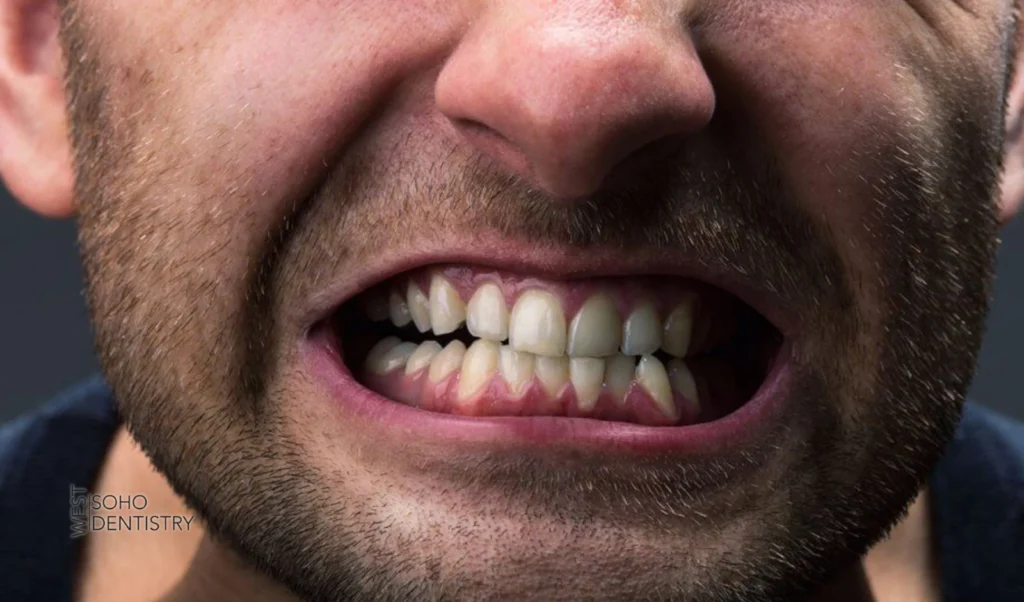
- Teeth grinding (bruxism): Constant pressure from grinding can wear down enamel over time.
- Large fillings or previous dental work: Teeth that have been repaired before may be more prone to chipping.
Even if a tooth chips and doesn’t hurt, it’s a sign your enamel has weakened. Left unchecked, it could develop into cracked teeth or a broken tooth, which may require more involved dental care.
Why Paying Attention Matters
A back tooth chipped off no pain can seem minor, but it’s worth monitoring. Rough edges can irritate your tongue or cheeks, and a small chip can make a tooth more vulnerable to further damage.
Regular checkups allow a dentist to examine the chip, monitor the tooth’s health, and discuss options to protect it from future problems. For many people, visiting a trusted dental team, like West Soho Dentistry, provides reassurance and professional insight. Catching issues early can also reduce the likelihood of needing treatments in the future.
How to Manage a Chipped Tooth at Home
While professional care is recommended, there are ways to manage a chipped tooth at home until your dental visit:
- Avoid hard foods in the area of the chip.
- Check your mouth carefully for sharp edges that could irritate soft tissue.
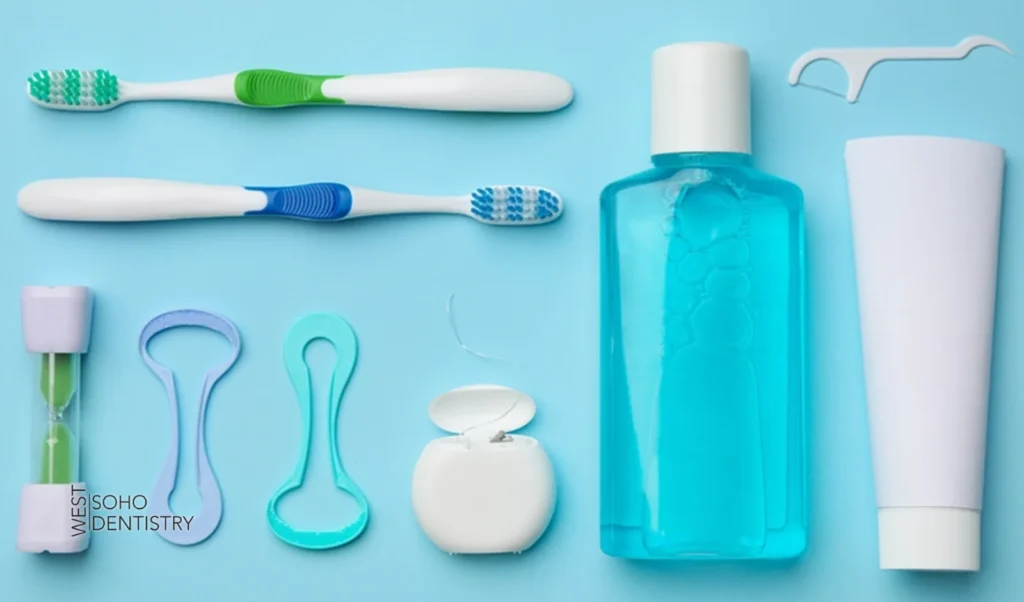
- Maintain good oral hygiene to prevent decay around the chipped area.
These simple steps help protect your tooth from further damage and reduce the chance of complications, including cracked teeth or a worsening broken tooth.
When to See a Dentist
Even without pain, scheduling a checkup is wise. A dentist can:
- Examine the chipped tooth for hidden cracks.
- Discuss ways to smooth rough edges.
- Monitor for changes over time.
You don’t have to wait for discomfort to act. A small chip today could prevent a bigger problem tomorrow. Regular visits to dental clinics like West Soho Dentistry ensure your teeth stay healthy and strong, lowering the risk of future issues such as root canals.
Living With a Chipped Back Tooth
For most people, life continues normally with a chipped back tooth that doesn’t hurt. You can still chew, speak, and brush normally. Awareness and preventive care are the keys.
- Be mindful of biting down on hard objects.
- Protect teeth if you play sports.
- Maintain consistent dental hygiene.
Even if your chipped tooth is currently painless, taking small steps now can prevent discomfort or complications later, including cracked teeth or a broken tooth.
Keeping Your Smile Strong After a Chip
Even a minor chip doesn’t have to feel stressful. Knowing your options and having a supportive dental team makes it easier to feel in control. Clinics like West Soho Dentistry focus on patient comfort and clear communication, so you can explore solutions without worry.
With the right guidance, caring for your smile after a minor chip becomes a manageable part of your routine. If you want personalized advice or reassurance, their team is available at 212-645-2808, helping you maintain a healthy, confident smile every step of the way.