
What to Do for a Chipped Tooth: Protect Your Smile
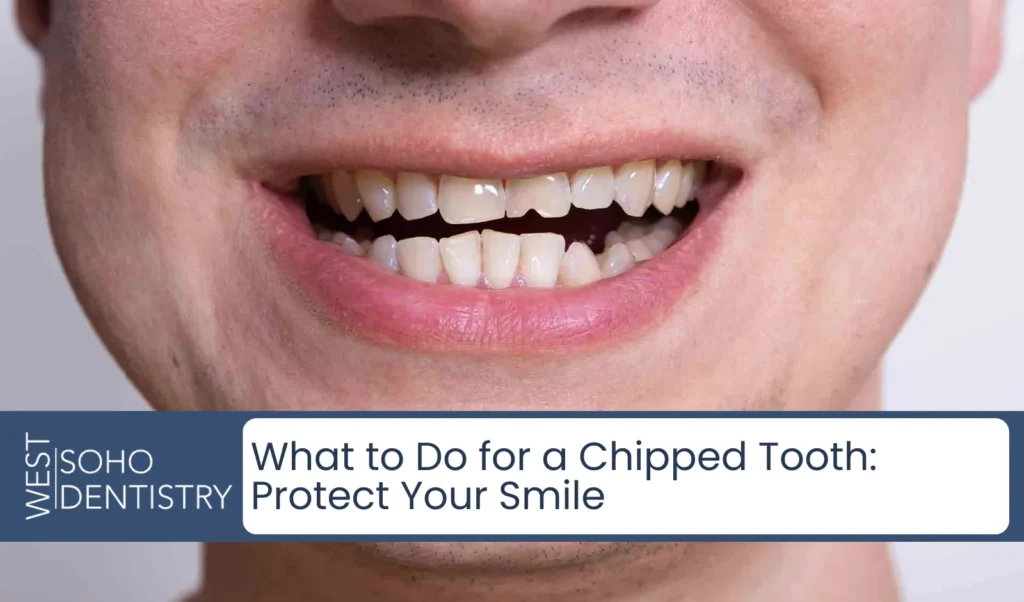
Accidents happen fast. One moment you’re enjoying a snack, laughing with friends, or playing a contact sport, and the next you notice a chip or crack on a tooth. A chipped or broken tooth, whether small or more noticeable, can feel unsettling. It may affect how you eat, speak, or smile, and it often raises questions about what to do next.
Knowing what to do for a chipped tooth helps you stay calm and take smart steps that support comfort and confidence. This guide explains how chipped teeth happen, what you can do right away, how to manage discomfort at home, and how to think about dental care and long-term protection without rushing decisions.
Understanding Chipped Teeth and Cracks
Chipped teeth occur when part of the tooth enamel, the hard outer layer of the tooth, breaks away. Enamel is strong, but sudden impact, biting hard foods, or repeated pressure can still cause damage. In some cases, a chip is visible right away. In others, it may feel like a rough spot you notice with your tongue.
Chips can range from tiny flaws to larger areas where a piece of your tooth breaks off. Some chips create jagged edges that irritate the tongue, lips, or cheeks. Others are smoother but still uncomfortable. A cracked tooth or cracked teeth may not always be obvious at first, but changes in texture or sensitivity can be early signs.
Chips involving a front tooth are often the most noticeable, which is why many people feel extra concerned when damage appears there.
Immediate Steps After a Chip or Crack
If you notice a chip or crack, the most important thing is to stay calm. Acting thoughtfully can help reduce discomfort and support preventing further damage.
Here are helpful first steps:
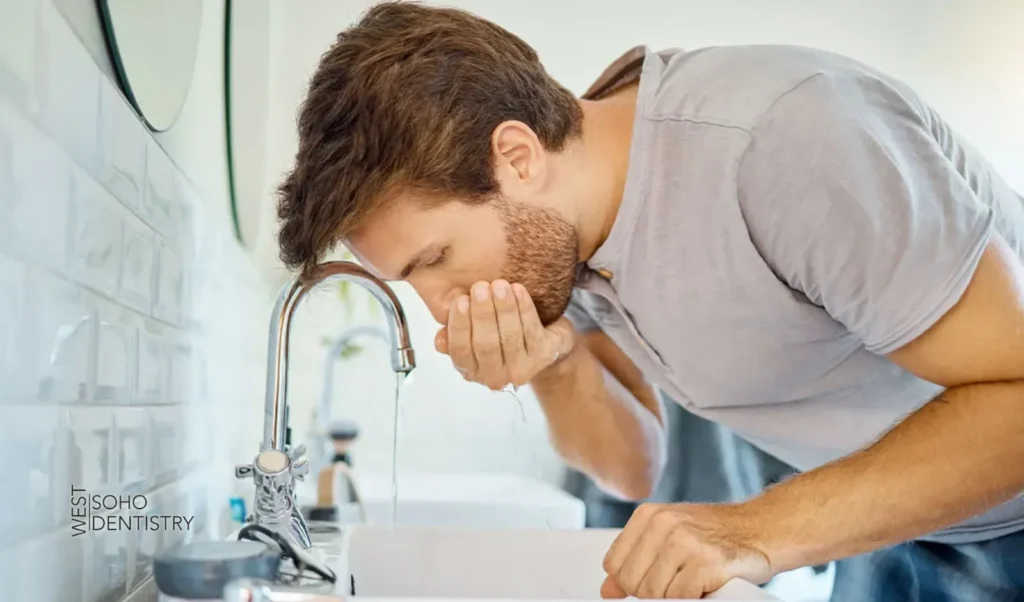
- Gently rinse your mouth with water to clean the area
- Check for sharp or uneven areas that feel uncomfortable
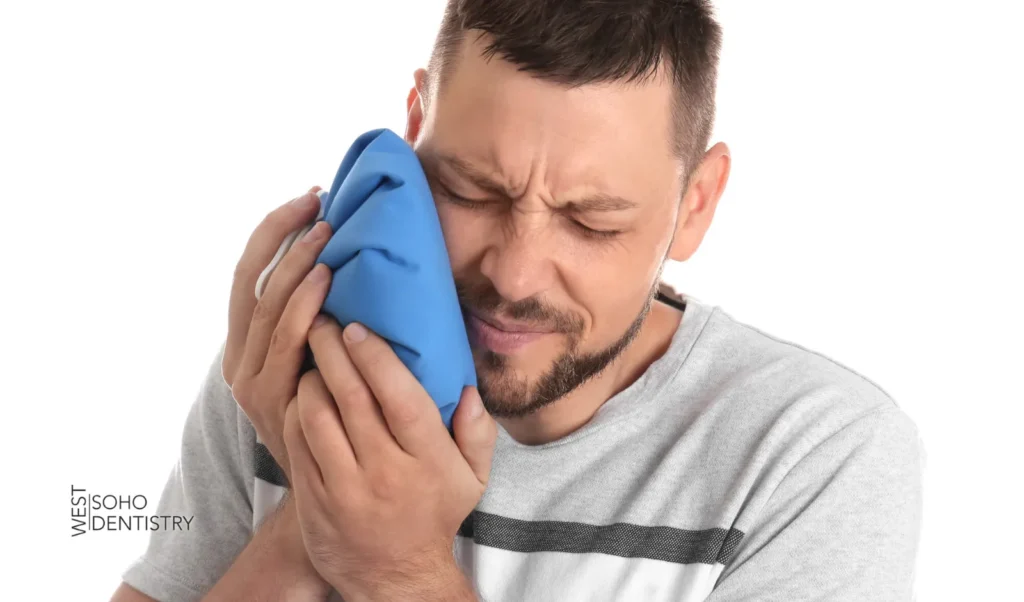
- If swelling or soreness is present, apply a cold compress to the outside of your cheek
- Avoid chewing on the affected side
These steps don’t repair the tooth, but they help protect the area and make the situation more manageable until you decide on next steps.
Handling a Chipped Tooth at Home
Many people search for what to do for a chipped tooth at home when they can’t get immediate professional advice. While home approaches won’t restore enamel, they can help protect the area and improve comfort.
Helpful at-home strategies include:
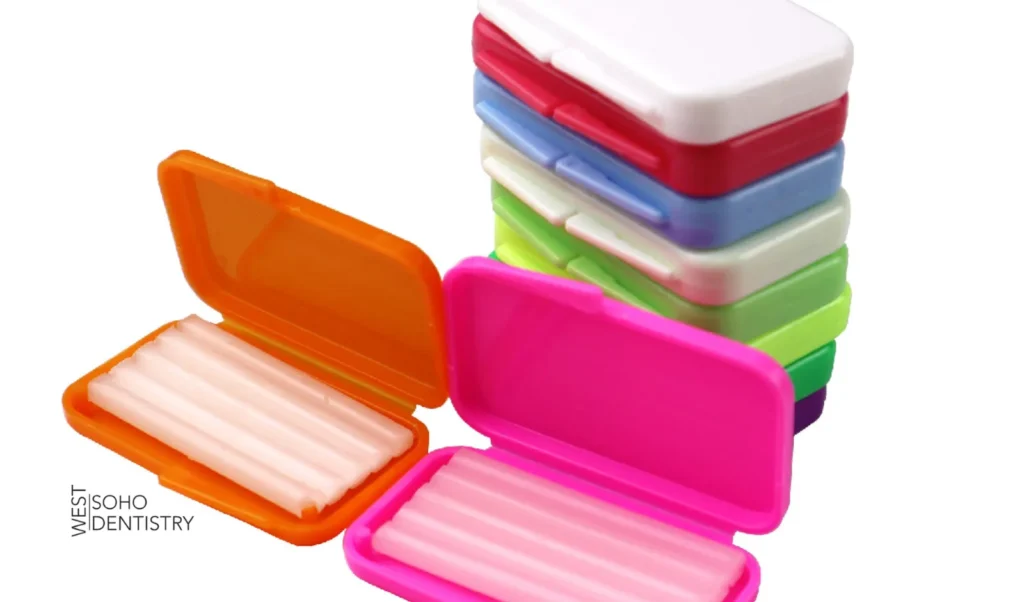
- Covering jagged edges with dental wax to avoid irritation
- Eating softer foods to reduce pressure on the tooth
- Brushing gently to keep the area clean
- Being mindful not to bite hard or crunchy foods
These steps help reduce stress on the tooth and support preventing further damage while you wait for guidance.
Managing a Chipped Front Tooth
A chipped front tooth can feel especially stressful because it affects your smile and speech. Even small changes can feel noticeable, and many people worry about appearance right away.
If a front tooth is chipped:
- Avoid biting directly into hard foods
- Protect sharp edges to prevent irritation
- Save any broken fragments in a clean container if possible
Professional guidance can be helpful when a front tooth is involved. Dental providers may discuss options like dental crowns or bonding as part of broader dental treatment conversations, helping patients understand what may best suit their needs and preferences.
Reducing Discomfort from a Chipped or Cracked Tooth
If you’re wondering what to do for a chipped tooth pain, focusing on simple comfort measures can help make eating, speaking, and daily activities easier while you seek guidance. Not all chips hurt, but some cause sensitivity or mild pain. If you’re dealing with discomfort from a chipped or broken tooth, focusing on comfort can make daily life easier.
You may find relief by:
- Rinsing gently with warm salt water
- Using over-the-counter pain relief if needed
- Applying a cold compress to reduce soreness
These steps don’t replace professional care, but they can help you feel more comfortable while you decide what to do next.
Thinking About Professional Dental Care
Even small chips or cracked teeth can benefit from professional attention. A dental visit allows a provider to look at the tooth, explain what they see, and talk through possible options without pressure.
People often hear phrases like fix a chipped tooth or fix a broken tooth, but in practice, dental visits focus on understanding the situation and discussing ways to support comfort, function, and appearance. Depending on the tooth and the damage, conversations may include bonding, dental crowns, or other forms of dental treatment.
Early attention can help preserve natural enamel, reduce uneven wear, and support long-term oral comfort.
Why Preventing Further Damage Matters
A small chip may not seem urgent, but uneven edges can change how teeth meet when you bite. Over time, this can lead to additional wear or strain on surrounding teeth.
Being mindful about chewing habits, protecting damaged areas, and seeking guidance when needed all play a role in preventing further damage. Small steps taken early often feel easier than dealing with bigger concerns later.
Preventing Future Chips and Cracks
While accidents can’t always be avoided, certain habits help lower the risk of chipped or cracked teeth and protects your teeth over time.
Helpful prevention tips include:
- Avoid chewing ice, pens, or hard candy
- Wear protective gear during any contact sport
- Keep up with regular dental care and checkups
- Use a night guard if grinding or clenching is a concern
- Avoid using teeth to open packages
These habits support stronger enamel and long-term oral health.
Emotional Impact of Tooth Damage
A damage tooth doesn’t just affect eating or comfort, it can also affect confidence. Many people feel self-conscious smiling or speaking after noticing a chip or crack, especially when it involves a front tooth.
These feelings are normal. Dental care is not only about function but also about how you feel day to day. Understanding your options and taking thoughtful steps can help restore confidence and peace of mind.
Moving Forward with a Strong Smile
Experiencing a chipped or broken tooth can feel stressful at first, but having the right guidance can make a meaningful difference. A supportive dental team can walk you through general dental treatment options, help address everyday discomfort, and discuss ways to support long-term oral health.
Practices like West Soho Dentistry focus on patient-centered dental care, clear communication, and a welcoming environment designed to help you feel informed and confident. If you have questions or would like to discuss your dental care needs, you can reach their team at 212-645-2808.
With thoughtful care and professional support, it’s possible to maintain a strong, healthy smile even after a chip or crack.